
Selling a few hundred tickets can hide a clunky system. Selling 5,000, 20,000, or 50,000 exposes every weak point.
High-volume event ticketing software must keep inventory accurate, process heavy onsale traffic, support multiple entrances, and give your team useful data while the event is still happening. Because we all know that “sorting it out at the gate” doesn’t typically work out too well.
What “High-Volume” Actually Means for Ticketing Software
High volume isn’t just an attendance number. It can mean thousands of buyers arriving at the same time, multiple dates sharing capacity, or several teams selling and scanning from different entrances.
The real test is whether ticket inventory, payments, check-in, and reporting stay connected during traffic spikes and day-of surges.
The 7 Features That Matter Most for Large-Scale Events
🚦 Concurrent traffic handling: Ask how the platform prepares for major ticket launches and protects inventory when many buyers check out at once.
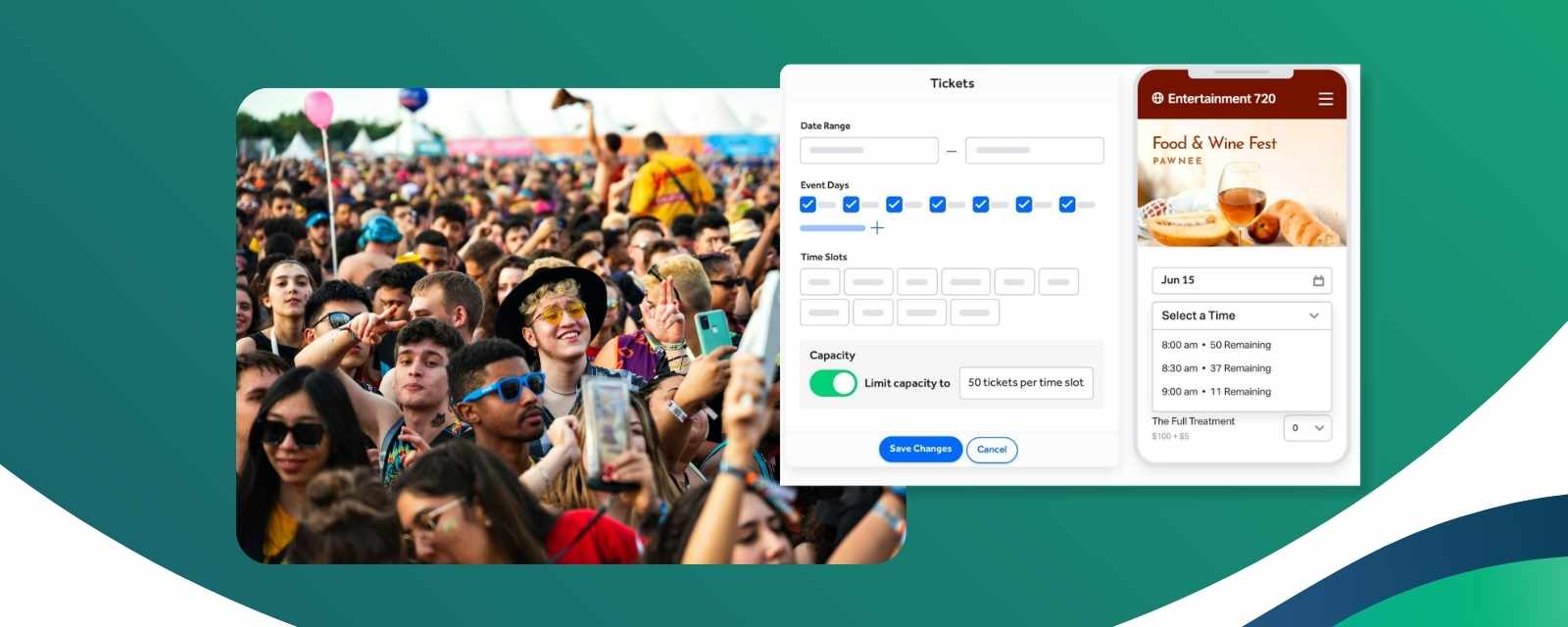
⏰ Timed-entry and capacity controls: Timed-entry ticketing distributes attendance across sessions and helps prevent overselling.
🎨 White-label branded checkout: Custom-branded ticketing pages keep your event, sponsors, and buyer experience front and center.
💺 Reserved seating: Reserved seating tools help manage seats, tables, sections, and held inventory.
📱 Multi-gate sales and entry: Connected onsite ticket sales and a reliable ticket scanning app keep every entrance working from the same data.
📊 Real-time reporting: Reports and exports help operations teams track sales, attendance, scans, and revenue without waiting until Monday.
💸 Pricing that holds up at scale: Percentage-based platform fees rise with ticket prices. Flat platform pricing stays predictable.
TicketSpice offers timed-entry capacity controls, branded pages, onsite selling, mobile scanning, and detailed reporting tools.
TicketSpice for High-Volume Events: What You Actually Get
TicketSpice is a strong fit for attractions, seasonal events, festivals, fairs, seasonal attractions, and recurring events that need flexible operations without heavyweight enterprise pricing.
The platform charges a flat 99¢ per paid ticket, or 49¢ for tickets under $5, plus payment processing. Organizers can also use timed entry, capacity limits, branded pages, reserved seating, the TicketSpice Box Office App, mobile scanning, mass text messaging, reporting, and fast payouts.
Assuming 20,000 U.S. tickets sold at $30 each, TicketSpice’s published platform fees would total $19,800. Eventbrite’s published service fees would total $58,000, a whopping $38,200 difference before payment processing, taxes, add-ons, or custom pricing. Actual totals vary by taxes, processing, and negotiated terms.
How TicketSpice Handled the Albuquerque International Balloon Fiesta
The Albuquerque International Balloon Fiesta shows what high volume looks like in the real world. The official report confirms 838,337 estimated guest visits, nine event days, and 14 completed sessions. Its official 2026 ticket page is powered by TicketSpice and sells single-session admission, an all-session pass, Park & Ride tickets, hospitality packages, camping, and other premium experiences.
That makes Balloon Fiesta a clear example of TicketSpice supporting branded, high-volume ticket sales across multiple sessions, ticket types, and add-on experiences.
Platform Comparison: High-Volume Ticketing at Scale
TicketSpice is our platform, so we reviewed each company using the same criteria and current public documentation.
Pricing and product details were reviewed in August 2026. Confirm current terms directly with each provider.
Ticketing Software by Event Type
Multi-Day Outdoor Festivals
Look for day-specific inventory, multi-gate scanning, onsite sales, mobile ticket delivery, and reporting by date or ticket type. TicketSpice’s music festival ticketing tools connect these workflows while keeping the organizer’s branded buying experience front and center.
County and State Fairs
Fairs often combine admission, parking, grandstand seating, ride or attraction add-ons, and multiple sales channels. TicketSpice’s fair ticketing software supports branded online sales, onsite transactions, scanning, and flat platform pricing.
Seasonal Attractions and Farm Events
Weather, timed entry, upgrades, and repeat visits make seasonal operations their own beast. TicketSpice’s agritourism ticketing platform supports date-based inventory, capacity limits, add-ons, and onsite sales.
Museum and Attraction Timed Entry
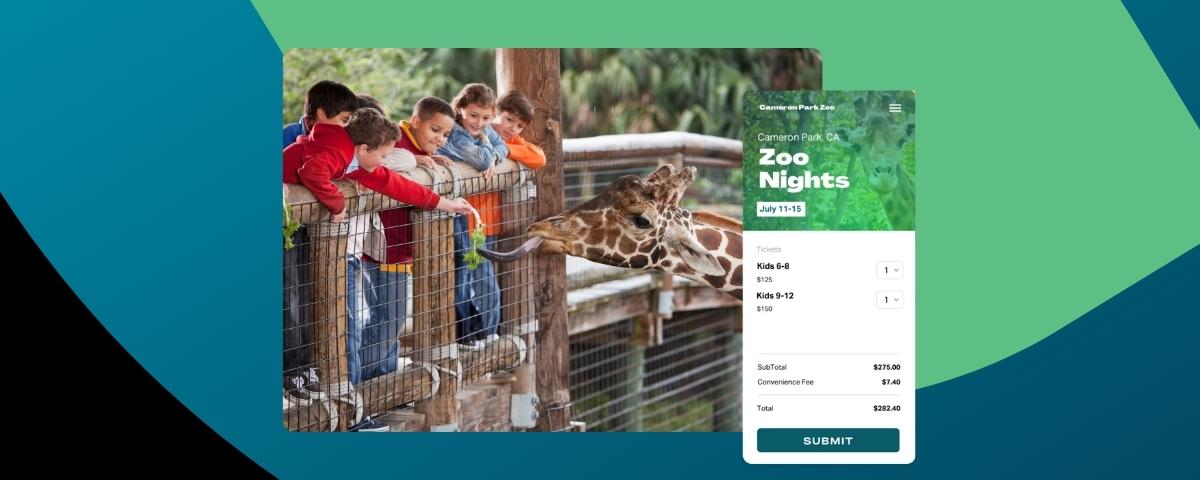
Museums, zoos, parks, and tours need time slots, capacity rules, mobile entry, memberships, and upgrades. Timed-entry controls help spread demand across the day instead of inviting everyone to arrive at noon.
Large and Civic Events
Community events need simple buying, volunteer-friendly scanning, flexible ticket types, and transparent pricing. Choose a platform your team can run when the parking lot fills up and the Wi-Fi starts getting ideas.
How to Choose Ticketing Software for Your Large Event
Ask these questions before signing:
- How does the provider prepare for your high-demand sales period?
- Can capacity be managed across dates, sessions, ticket types, and entrances?
- Can staff sell and scan onsite if connectivity becomes unreliable?
- Are platform fees, processing, payouts, contracts, and support terms clear?
- Can the checkout match your event’s branding?
- Can your team export the data it needs during and after the event?
TicketSpice is a strong fit when flat platform pricing, branding, timed entry, onsite tools, and direct organizer control matter most.
FAQs
What ticketing software can handle 10,000 or more attendees?
TicketSpice, Eventbrite, Cvent, Etix all support larger events, but their strengths differ. TicketSpice is especially well suited to attractions, museums, zoos, festivals, fairs, as well as recurring and seasonal events that need timed entry, branded checkout, onsite tools, and predictable platform fees.
How does TicketSpice handle high-traffic ticket launches?
TicketSpice provides inventory and capacity controls across ticket levels, dates, and time slots. Organizers expecting a major ticket launch should coordinate projected traffic and launch plans with the TicketSpice team before going live.
What types of high-volume events is TicketSpice built for?
TicketSpice supports high-volume events and venues including attractions, museums, zoos, festivals, fairs, concerts, tours, seasonal events, and recurring admissions. Its tools support both one-time events and ongoing operations with timed entry, capacity controls, onsite sales, scanning, and reporting.
What is the cost difference between TicketSpice and Eventbrite for large events?
For 20,000 $30 tickets, TicketSpice’s platform fee totals $19,800. Eventbrite’s published U.S. service fee totals $58,000 before payment processing, a $38,200 difference under those assumptions.
Can TicketSpice support timed entry and recurring admissions?
Yes. Organizers can create dates and time slots, set capacity limits, control inventory across ticket levels, and manage recurring admission schedules for attractions, tours, museums, seasonal events, and other multi-date experiences.
What ticketing software is built for state and county fairs?
TicketSpice and Etix both market ticketing solutions specifically for fairs. TicketSpice emphasizes branded pages, timed entry, onsite sales, mobile scanning, and flat platform pricing. Etix emphasizes box office tools, hardware, analytics, high-demand sales, and onsite support.
Choose a Ticketing Platform Built to Scale
The best high-volume ticketing platform is the one that keeps sales, capacity, entry, communication, and reporting working together when your event gets busy.
Compare TicketSpice with other ticketing providers, or explore the best Eventbrite alternatives.
We’re here to help you sell at scale, keep gates moving, and hold onto more of every ticket.
– The TicketSpice Team