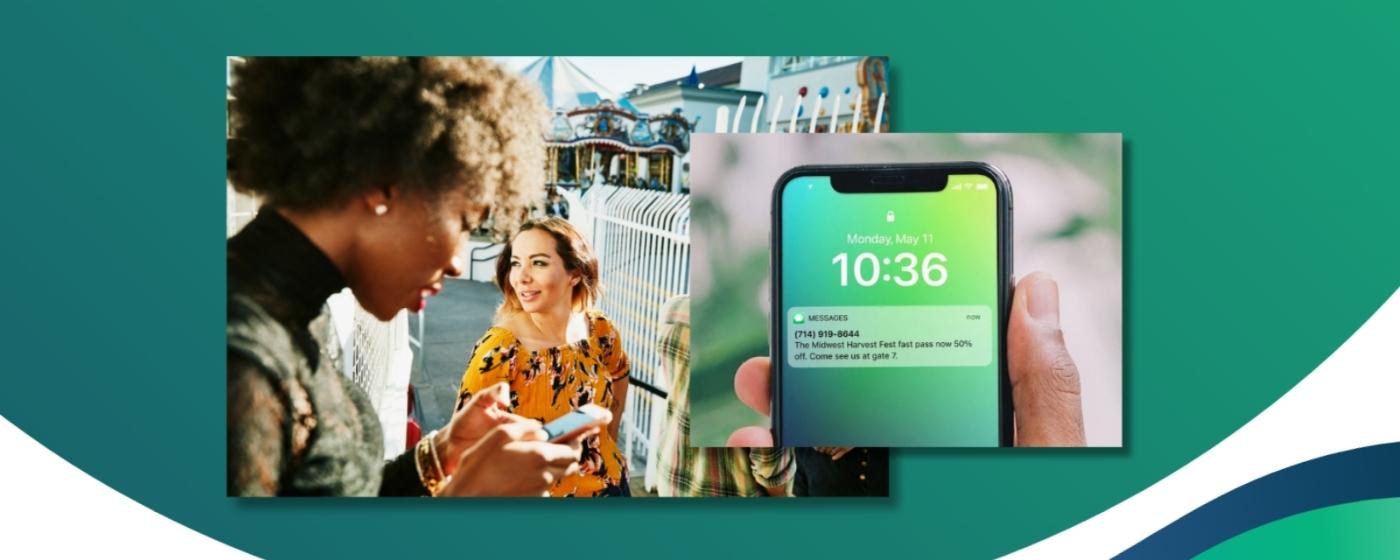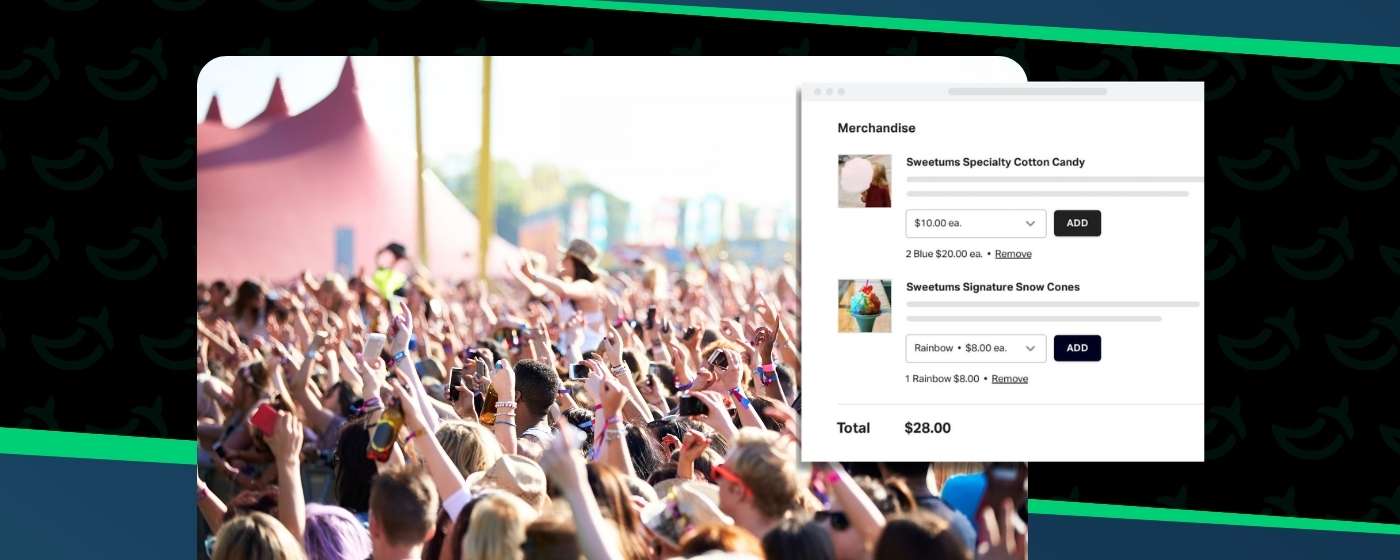


Payment processing plays a much bigger role in event success than most organizers expect. In addition to accepting payments, the right event payment system helps you sell more tickets, reduce stress on event day, and simplify everything that happens after your event ends.
What Is Event Payment Processing?
Event payment processing is the system that allows you to accept, authorize, and track payments for your event. It covers every financial interaction tied to your event, including ticket purchases, add-ons, upgrades, and on-site sales.
This process includes both online transactions that happen before the event and in-person transactions that happen on-site. It also extends beyond the sale itself, helping you track revenue, manage refunds, and reconcile payments after your event is complete.
How Event Payment Processing Works Before, During, and After an Event
Event payment processing supports your operations at every stage of your event lifecycle. Before the event, it powers your online checkout experience, allowing attendees to purchase tickets, select add-ons, and take advantage of early pricing or timed entry options.
During the event, it enables fast and flexible on-site transactions, whether you are selling additional tickets, upgrades, or merchandise. A strong system helps reduce lines and keeps transactions moving efficiently.
After the event, payment processing tools help you reconcile revenue, generate reports, manage refunds, and handle any disputes. When everything is connected, it becomes much easier to understand your event performance and close out cleanly.
The Core Components of an Event Payment System
Many organizers hear payment terms without fully understanding how the pieces fit together. Here’s how the core components work.
Payment Gateway
The payment gateway securely sends a buyer’s payment information from your checkout page to the processor for approval.
Payment Processor
The processor handles the transaction itself and moves funds from the customer’s payment method to your account.
Merchant Account or Payment Account Setup
This is how you receive funds. Depending on your setup, this may be built into your platform or handled separately.
Event Platform Integration
Payment tools are most effective when they are fully integrated into your ticketing platform. This makes checkout, tracking, and reporting much easier to manage.
Security and Compliance
A strong payment system protects sensitive information and ensures transactions are handled securely at every step.
What Payment Methods Should Event Organizers Offer to Maximize Revenue?
The payment options you offer directly impact how many people complete the checkout process.
Today’s buyers expect flexibility. If they don’t see their preferred payment method, they are more likely to drop off.
Common options to consider:
➡️ Credit and debit cards
➡️ Digital wallets (Apple Pay, Google Pay)
➡️ Mobile payments
➡️ Contactless on-site payments
➡️ Buy now, pay later for higher-priced experiences
➡️ Gift cards, credits, or promo codes
The goal is simple: remove friction and meet people where they are.
How Payment Processing Impacts Conversion, Attendee Experience, and Event Profitability
Payment processing does more than approve transactions. It shapes how buyers move through your checkout and how smoothly your event operates from start to finish.
Limited payment options, a poor mobile experience, unexpected fees at checkout, or too many steps can quietly reduce conversion rates. Even small points of friction can cause buyers to drop off before completing their purchase.
But the impact doesn’t stop at checkout. Payment issues also create real operational and financial challenges during and after your event.
Here’s what that can look like:
❌ Cart abandonment from a clunky checkout
❌ Lost trust due to unclear pricing or fees
❌ Long lines during on-site sales
❌ Manual reconciliation challenges after the event
❌ Slow refunds or chargeback disputes
❌ Missed upsell opportunities due to limited flexibility
A faster, more flexible payment experience helps more buyers follow through, keeps lines moving on-site, and makes post-event reporting much easier to manage. When payments work smoothly, everything else tends to fall into place.
What Businesses Should Look for in an Event Payment Processing Solution
When evaluating payment systems, the goal is to find a solution that supports your event operations from end to end, not just one part of the process. Here’s what to look for in a payment processing solution.
✅ Easy to set up and intuitive to use, so your team can manage it without friction.
✅ Direct integration with your ticketing workflow, keeping everything connected in one place
✅ Supports a wide range of payment methods to match attendee expectations.
✅ Offers strong mobile and on-site payment capabilities for real-world event environments.
✅ Includes clear reporting and reconciliation tools to simplify post-event work.
✅ Makes it easy to handle refunds, cancellations, and disputes.
✅ Prioritizes security and reliability to protect both you and your attendees.
✅ Provides transparent pricing so you understand your true costs over time.
Looking at payment systems this way helps you avoid hidden friction that can impact both operations and revenue.
Event Payment Systems for Different Types of Organizers
Not every event operates the same way, and your payment setup should reflect that.
Festivals, Fairs, and Community Events
These events often involve high transaction volume, fast-moving entry lines, and a mix of online and on-site sales. Speed and flexibility are critical.
Attractions, Experiences, and Timed Entry Events
These operations rely on structured booking times, controlled capacity, and a smooth flow from purchase to entry. Payment systems should support that flow without slowing it down.
Food and Catering-Related Event Operations
These setups often involve deposits, partial payments, package upgrades, and coordination across services. Payment systems should handle this complexity while keeping the experience simple for the buyer.
High-Ticket Events and Premium Experiences
Events with higher price points, such as VIP experiences or multi-day passes, require a payment setup that prioritizes trust, flexibility, and a smooth checkout experience. Buyers are more sensitive to friction at higher price levels, so clear pricing, secure transactions, and options like payment plans or buy now, pay later can help improve conversion while keeping reporting and reconciliation clean for larger transactions.
Common Event Payment Processing Mistakes to Avoid
Payment issues are often preventable if they are addressed early in planning. Watch out for these common mistakes:
❌ Choosing a solution based only on headline fees instead of total operational impact
❌ Offering too few payment methods for your audience
❌ Skipping mobile checkout testing before launch
❌ Treating on-site payments as an afterthought
❌ Using disconnected tools that create reporting gaps
❌ Not planning ahead for refunds, cancellations, or disputes
Payments should be part of your strategy, not an afterthought.
Where Event Payment Processing Is Headed Next
Event payments are evolving quickly, and organizers who adapt early will have an advantage.
➡️ Faster, mobile-first checkout experiences
➡️ Increased use of contactless payments
➡️ Stronger connections between ticketing and transactions
➡️ More real-time reporting and insights
➡️ More flexible payment experiences for attendees
Payment systems are becoming a core part of how events grow and operate efficiently.
How TicketSpice Supports Smoother Event Payment Processing
Platforms like TicketSpice are built to make payment processing efficient and manageable.
With integrated checkout, flexible payment options, and real-time reporting, TicketSpice helps you manage payments as part of a connected event workflow. Instead of juggling separate tools, you can handle ticket sales, transactions, and reporting all in one place.
This leads to a smoother checkout experience for attendees, clearer visibility into revenue, and a much easier process when it comes time to reconcile and analyze your event performance.
For many organizers, the difference is not just better software. It’s having a system that actually supports how events operate in the real world.
FAQs
What is event payment processing?
It is the system used to accept, authorize, and track payments for tickets, add-ons, and event-related purchases.
How does event payment processing work before, during, and after an event?
It supports online sales before the event, on-site transactions during the event, and reporting, refunds, and reconciliation after.
What payment methods should event organizers offer?
At a minimum, credit and debit cards, digital wallets, and mobile payments. Additional options can improve conversion.
Why does payment processing matter for attendee experience?
A smooth checkout builds trust, reduces friction, and helps attendees complete purchases quickly.
What should businesses look for in an event payment system?
Ease of use, integration, supported payment methods, reporting tools, and transparent pricing.
How can poor payment processing affect event profitability?
It can lead to lost sales, operational delays, refund issues, and increased manual work.
Do event organizers need different payment setups for online and on-site sales?
Ideally, no. A unified system simplifies operations and reporting.
How can TicketSpice help simplify event payments?
By combining ticketing and payment processing into one streamlined platform with flexible tools and clear reporting.
Key Takeaways
Payment processing is a critical part of your event experience and revenue strategy. When it is handled well, it supports both your attendees and your operations from start to finish.
🔑 The right payment system improves checkout speed and conversion
🔑 Flexible payment options reduce friction and increase sales
🔑 Integrated tools simplify operations before, during, and after events
🔑 Poor payment experiences can lead to lost revenue and attendee frustration
🔑 A strong platform helps you manage payments with confidence and clarity
If you’re ready to create a smoother, more reliable payment experience, you can get started with TicketSpice today, or reach out to our support team with questions.
We’re here to help you have the best event ever!
— The TicketSpice team