
Growth is exciting, but it changes everything about how your event operates. What worked when you were selling a few hundred tickets can quickly break down when you’re managing thousands of attendees, multiple ticket types, and more complex logistics.
As your event brand expands, you need ticketing software that can keep up. That means handling higher demand, supporting more advanced setups, improving the attendee experience, and giving your team better control over operations. Scalable ticketing software helps you grow without adding friction for your team or customers.
Why Scalability Matters in Event Ticketing
As events grow, so do the challenges behind the scenes. You’re no longer just selling tickets. You’re managing demand across multiple channels, coordinating entry times, offering different pricing tiers, and meeting higher attendee expectations. What used to be simple becomes layered and operationally complex.
A platform that worked perfectly for a small event can quickly become limiting and lead to more manual work as you scale.
What Scalable Ticketing Software Actually Means
Scalable ticketing software is built to grow with your event. Not only can it handle more ticket volume, but it’s meant to support more complexity without forcing you to rebuild your workflows or switch platforms every time you grow.
That includes flexibility in how you set up events, control over branding, a smooth checkout experience, stronger reporting, and tools that help you manage operations more efficiently over time.
How Scalable Ticketing Software Supports Event Growth
As your event evolves, the right platform supports you in very practical ways:
➡️ Handling higher ticket sales volume without causing delays
➡️ Supporting multiple event types and pricing models
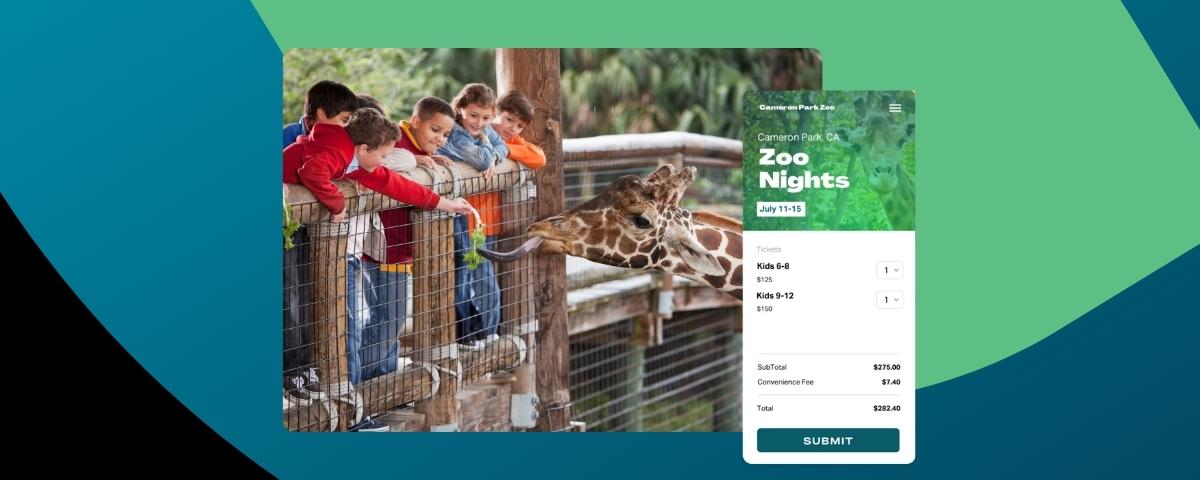
➡️ Improving the attendee checkout experience
➡️ Making reporting and performance tracking easier
➡️ Helping teams manage check-in, staffing, and on-site operations
Instead of working around your software, your software starts working for you.
Key Features to Look for in Scalable Ticketing Software
Not all ticketing platforms are built for long-term growth. Here’s what to prioritize as your event brand expands.
Flexible Ticket Types and Event Formats
Growing brands rarely stay simple. You may need timed entry, reserved seating, VIP tiers, add-ons, bundles, donations, recurring events, or multi-day passes. Flexibility allows you to evolve your event offerings without limitations.
Branding and Customization Control
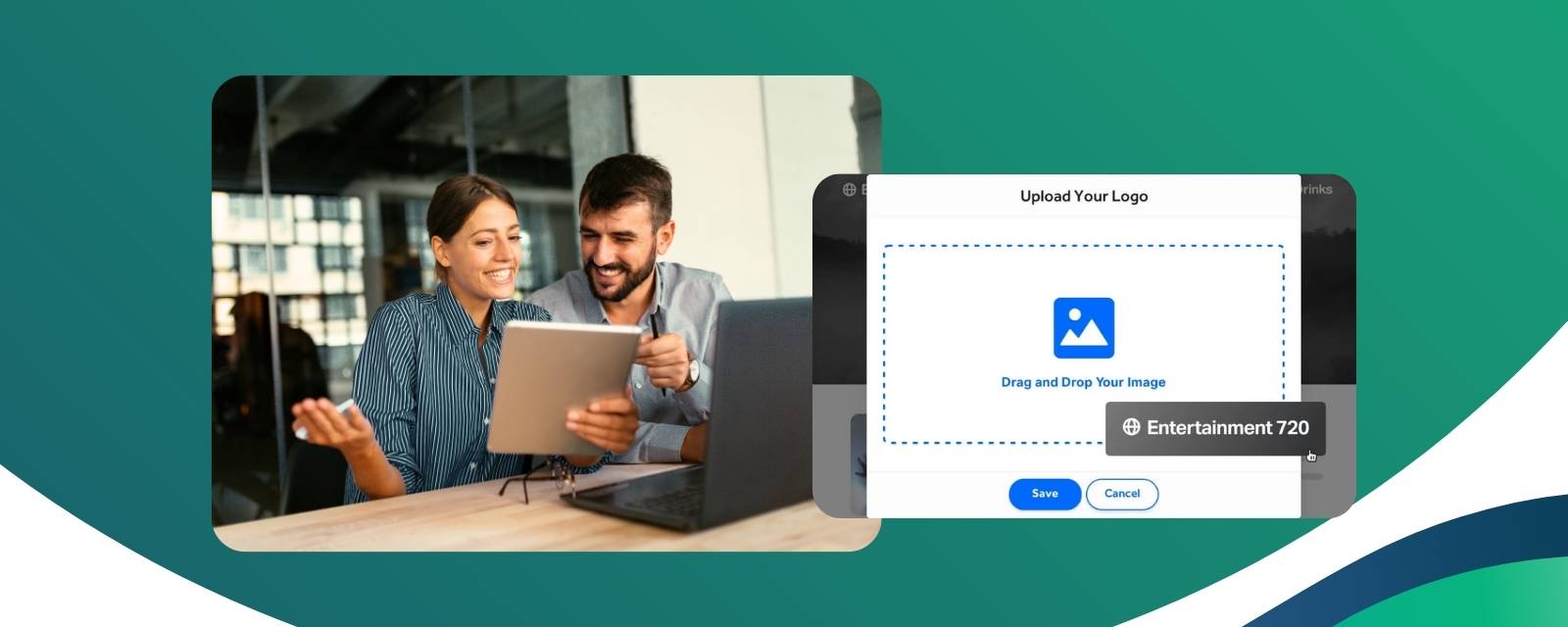
Your ticketing experience should feel like an extension of your brand, not a third-party tool. From ticketing pages to checkout flows and confirmation emails, scalable platforms let you maintain a consistent, branded experience from start to finish.
Better Checkout and Conversion Performance
As traffic increases, conversion becomes more important. A fast, mobile-friendly checkout with minimal friction can make a meaningful difference in revenue, especially at scale, where small drop-offs add up.
Reporting, Insights, and Data Ownership
Growth requires better visibility. You need to understand what’s selling, which promotions are working, and how attendees behave. Strong reporting helps you make smarter decisions for future events.
On-Site Operations and Check-In Support
Event-day operations become more complex as attendance grows. From ticket scanning and box office tools to staffing coordination and capacity management, scalable platforms help you run smoother, more efficient events on-site.
Pricing Structure That Supports Long-Term Profitability
Fees matter more as volume increases. A platform that seems affordable early on can become expensive quickly. Understanding pricing structure and how it impacts your margins is critical for long-term growth.
Signs Your Event Brand Has Outgrown Basic Ticketing Software
Many organizers don’t realize they’ve outgrown their platform until it starts creating friction in their operations or limiting their growth. The signs are often subtle at first, but they tend to compound quickly over time. Here are some signs it might be time to upgrade your ticketing software:
❌ Limited ticketing options
❌ High fees eating into margins
❌ Poor branding flexibility
❌ Manual workarounds for event setup
❌ Checkout friction
❌ Weak reporting
❌ Difficulty managing larger or recurring events
Scalable Ticketing Software Comparison: What Event Brands Should Evaluate
Once you understand what features matter, the next step is evaluating how different platforms actually deliver on them. Here’s how to compare your options in a more practical way:
➡️ Pricing and fee structure → How pricing holds up as your volume grows
➡️ Event setup flexibility → How easily you can adapt to new event formats
➡️ Checkout experience → How effectively the platform converts high traffic into sales
➡️ Branding and customization → How well you can maintain a consistent brand experience
➡️ Reporting and analytics → How clearly you can understand and act on your data
➡️ On-site tools and operations → How smoothly your team can run event-day logistics
➡️ Customer support → How reliably you can get help when it matters most
The best platform is the one that fits both your current needs and where you’re headed.
A Guide to Free Ticketing Software for Event Organizers
Free ticketing tools can be appealing, especially when you’re just getting started. They’re often a good fit for simple, low-volume events or for organizers testing new concepts. In these early stages, free platforms can help you validate demand without committing to more advanced tools. That said, free ticketing software typically comes with tradeoffs. These can include limited customization, higher per-ticket fees, and fewer features needed to support long-term growth.
Free tools tend to work well for a small, one-time community event with limited attendance, or for an organizer experimenting with a new event idea. But they often fall short as soon as an event begins to grow and require more flexibility, better margins, and greater control over the attendee experience. They’re also not a strong fit for venues or attractions that need advanced ticketing options, operational control, and tools to manage ongoing or high-volume events.
For many organizers, free ticketing software works as a starting point, but not as a long-term solution.
How Growing Event Brands Can Choose the Right Platform
Choosing the right ticketing platform becomes much easier when you break the process into clear steps:
1️⃣ Identify your current pain points and where your existing system is falling short
2️⃣ Define what growth will look like over the next 12 to 24 months
3️⃣ Narrow your options by eliminating platforms that can’t support your future needs
4️⃣ Compare remaining platforms based on flexibility, cost, and attendee experience
5️⃣ Test the software against your real operational workflows, not just feature lists
6️⃣ Evaluate support, onboarding, and how confident you feel using the platform day-to-day
7️⃣ Choose a platform that supports both your current setup and future complexity
Remember, the goal is not just to solve today’s problems, but to set yourself up for continued growth.
Using Scalable Ticketing Software to Improve Event Performance Over Time
The right ticketing platform helps you improve performance over time. As you run more events, you start to build a clearer picture of what works. You can see which ticket types sell best, which pricing strategies drive conversions, and which marketing channels bring in the most valuable attendees.
With better data and more consistent systems, you can refine your approach from one event to the next. Checkout flows become smoother, upsell strategies become more effective, and operations become more predictable.
Over time, this creates a compounding effect. Each event benefits from the insights and improvements of the last, leading to stronger revenue, better attendee experiences, and more efficient operations.
How TicketSpice Supports Growing Event Brands
TicketSpice is built for event organizers and attraction operators who need flexibility without unnecessary complexity.
Instead of forcing you into rigid workflows, it gives you the control and tools needed to grow your events on your terms:
✅ Flexible event setup for everything from simple ticketing to complex, multi-day or timed-entry events
✅ Full pricing control to protect your margins as you scale
✅ Customizable branding to create a seamless, on-brand attendee experience
✅ Built-in upsells and add-ons to increase revenue per attendee
✅ Robust reporting to help you make smarter decisions over time
✅ Reliable on-site tools to support smooth check-in and event-day operations
From online sales to on-site execution, TicketSpice helps you scale efficiently without rigid limitations or escalating fees.
FAQs
What is scalable ticketing software?
Scalable ticketing software is designed to support event growth by handling higher volumes, more complex setups, and evolving operational needs without requiring a platform change.
Why does scalable ticketing software matter for growing event brands?
It helps organizers manage increasing complexity, improve attendee experiences, and maintain operational efficiency as events expand.
What features should I look for in scalable ticketing software?
Look for flexibility in ticket types, strong branding control, fast checkout, detailed reporting, on-site tools, and a sustainable pricing model.
How do I compare scalable ticketing software platforms?
Focus on how each platform supports growth across pricing, flexibility, checkout performance, reporting, and operational tools.
Is free ticketing software good enough for growing events?
It can work early on, but most growing events outgrow free tools due to limitations in customization, fees, and scalability.
When should an event organizer switch to a more scalable platform?
When your current system creates friction, whether through limited features, high fees, or operational inefficiencies.
Can scalable ticketing software improve ticket sales and conversions?
Yes. A better checkout experience and more flexible pricing options can directly improve conversion rates and revenue.
Final Takeaways
Scaling an event brand brings new opportunities, but it also introduces new operational demands. The right ticketing platform should support that growth without adding complexity or cutting into your margins.
🔑 As your event grows, your ticketing platform needs to grow with it
🔑 Scalability isn’t just about volume. It’s about flexibility, control, and efficiency
🔑 The right software reduces friction for both your team and your attendees
🔑 Pricing structure plays a major role in long-term profitability
🔑 Choosing a scalable platform early can prevent costly transitions later
Ready to see grow? You can get started with TicketSpice today, or reach out to our support team with questions.
We’re here to help you have the best event ever!
— The TicketSpice team