
Why Event Revenue Strategies Matter Now
If you’re organizing events in 2026, you already know the pressure is real. Costs are rising, attendee expectations are higher than ever, and relying solely on ticket sales isn’t enough to protect your margins.
According to industry research, budget concerns and growing revenue are some of the top concerns of event organizers. The good news? You don’t need to double attendance to grow income. You need smarter pricing, smarter promotions, and better systems. Revenue is no longer something that “happens” when tickets sell. It’s something you architect from the beginning. Let’s break it down
Understand Your Event Revenue Model
Before you can grow income, you need to know where it actually comes from. For the most successful events, revenue includes a stack of different streams:
🎟️ Ticket sales - general admission, VIP, early bird, group
🤝 Sponsorships - booths, branded activations, naming rights
🛍️ Merchandise, including limited-edition drops or exclusive pre-order items
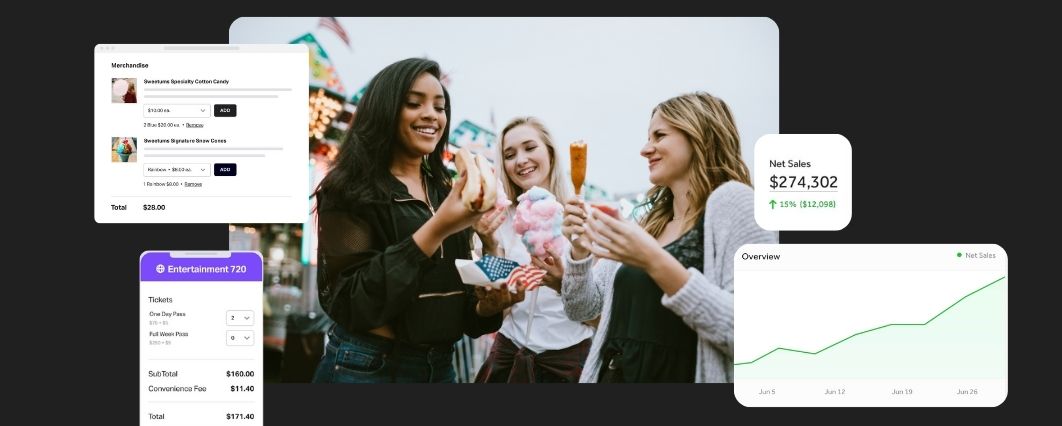
🍔 Add-ons & upgrades - concessions, food packages, parking, premium seating
As you map these out, look for patterns and start asking questions. Where are you under-monetizing? What could be bundled? What’s missing entirely? The strongest events layer three to five revenue streams instead of relying on just one.
Ticket Pricing That Works Smarter, Not Harder
When you price your event well, it increases urgency, improves early cash flow, and maximizes revenue without increasing attendance. Here are three common pricing models to consider for your event:
1️⃣ Dynamic Pricing
Instead of offering one flat price, you can automatically increase prices after certain ticket thresholds are reached or as your event date approaches. Dynamic pricing increases urgency and rewards early commitment.
2️⃣ Tiered Ticket Levels
Structured, varied ticket options broaden your reach by offering multiple experiences and price points. When you provide Early Bird, General Admission, VIP, and Group Bundles, you allow attendees to self-select based on budget and desired experience. This gives buyers choice and increases conversions.
3️⃣ Free + Upsell Model
For community-focused events, you can still offer free entry while monetizing premium experiences, VIP areas, or merchandise. This model works particularly well for nonprofit fundraisers, community activations, and some festivals. It invites participation while still generating meaningful revenue through targeted upgrades.
Pro tip: Whichever pricing model you choose, TicketSpice’s conditional logic makes it easy to set up and automate.
Hidden Revenue in Fees & Add-Ons
Most organizers are leaving money on the table by missing opportunities to add hidden revenue.
Be Strategic About Your Fees
Venue fees, service fees, and local taxes don’t have to erode your margins. Instead of automatically absorbing every cost, decide what belongs in the base price and what can be passed through without hurting conversion. Small structural decisions, applied across hundreds or thousands of tickets, will significantly impact your bottom line.
Offer Upsells at the Moment of Purchase
Add-ons frequently convert at 15–25% when presented during checkout. VIP lounge access, parking passes, exclusive merch, drink packages, and fast-track entry perform best when positioned while buyer intent is highest.
Bundle Intentionally to Increase Order Value
Bundling raises average order value while increasing perceived value. A ticket paired with a meal package, merch bundle, or backstage access feels like a smart deal to attendees while lifting revenue per transaction. Clear structure and simple presentation keep friction low and margins strong.
Turn Sponsorship Into a Major Revenue Stream
For larger events, sponsorships can account for up to 40% of total revenue. Modern sponsorship is about engagement and win-win terms. Consider experiences sponsors are willing to pay for, such as branded photo booths, sponsored lounges, digital signage, session sponsorships, and naming rights. Remember, sponsors invest when they see measurable exposure and clear deliverables. The clearer your packages, the easier they sell.
Offer Strategic Promotions
Promotions work when they have structure and intention. Early bird discounts create urgency and secure early cash flow. Flash sales tied to holidays or milestones create spikes in attention. Limited quantity offers increase perceived value and encourage faster decisions. The difference between revenue-building promotions and revenue-eroding discounts is strategy. Promotions should feel exciting and intentional.
Data-Driven Decisions = More Revenue
Revenue grows when you measure what’s working and what’s not.
➡️ Track open rates and conversion rates
➡️ Monitor upsell uptake
➡️ A/B test pricing thresholds
➡️ Identify which channels drive the most revenue
TicketSpice offers built-in analytics plus Google Analytics integrations so you can clearly see traffic sources, conversion paths, and revenue attribution. When you understand your data, you can confidently scale what works.
Real-World Example: Klick Events
Mike Abrams, founder of Klik Events, is a clear example of what happens when organizers treat ticketing as a revenue engine instead of a checkout tool. After switching providers, he leveraged TicketSpice’s flexible actions and fee controls to implement yield-style pricing that adjusts based on demand, automate VIP-driven upsells, and add venue and tax-specific fees that protect his margins.
By structuring limited holiday promotions, early bird tiers, and scarcity-based flash sales (while carefully controlling when and how discounts appear), Mike has consistently increased average order value and captured fees he previously had to absorb. His approach shows that when pricing logic, fee control, and promotional timing are intentional, revenue grows and compounds.
FAQs About Growing Event Revenue
How do you maximize event revenue?
Stack multiple revenue streams: ticket tiers, sponsorships, add-ons, bundles, and strategic promotions.
What’s the difference between gross and net revenue?
Gross revenue is the total ticket and event sales. Net revenue is what remains after expenses like venue, staffing, marketing, and fees.
What are the best upsells at live events?
VIP access, merch bundles, parking, premium seating, and food or beverage packages.
Is sponsorship worth it for smaller events?
Yes, especially local partnerships and experience-based activations.
Can free events generate revenue?
Absolutely. Through sponsorships, merchandise, premium upgrades, and vendor participation fees.
Key Takeaways
🎟️ Ticket sales alone aren’t enough. The most successful events layer pricing tiers, upsells, bundles, sponsorships, and structured promotions into a cohesive revenue strategy.
📊 Use data to refine and optimize. Track what’s converting, protect margins through smart fee management, and continuously improve performance.
💰 Increase average order value. Well-designed offers and upgrades grow revenue without requiring more headcount.
🚀 Monetize the entire attendee journey. Revenue growth happens when you build monetization into every stage.
Ready to increase your event revenue?
You can get started with TicketSpice today, or reach out to our support team with questions.
We’re here to help you have the best event ever!
— The TicketSpice team