
If you’ve spent any time in the event world, you already know that “ticketing software” is not a one-size-fits-all category. The needs of a museum are wildly different from those of a one-day festival. And yet, many platforms claim to serve both without acknowledging the massive differences.
If you’ve ever tried to run daily operations using event-style software, or vice versa, you know exactly what that chaos looks like.
This guide breaks down the different needs simply and walks you through how to choose the best ticketing software for your real-world setup.
What Operators Really Need
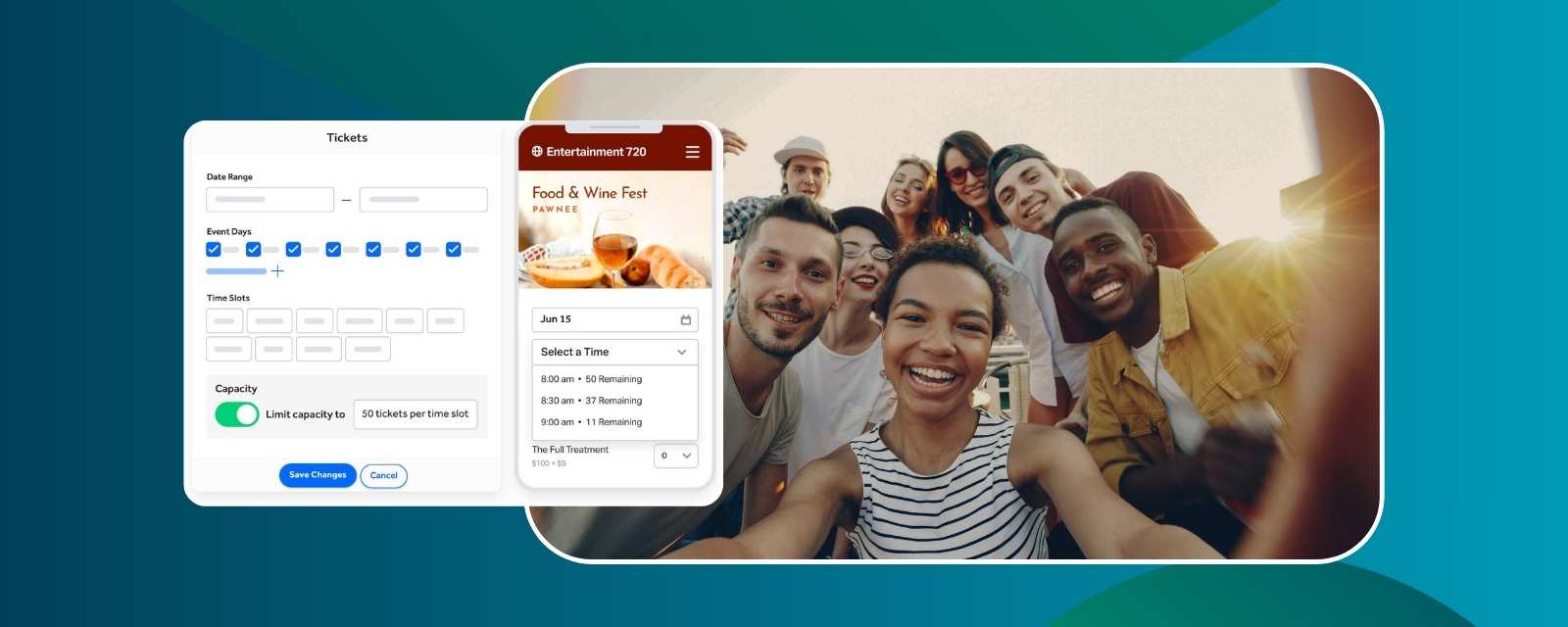
Ticketing software for operators is designed for ongoing businesses. Think of zoos, aquariums, escape rooms, museums, farms, and year-round attractions: places where the doors open daily, visitors arrive, and attendance is continuously managed. These systems must handle recurring traffic, capacity limits across multiple time blocks, complex operational rules, and a check-in that doesn’t break the flow.
Operators are running daily revenue-generating operations that depend on consistency and predictable customer flow throughout the year.
What Event Organizers Really Need
Ticketing software for event organizers, on the other hand, is built for a completely different rhythm. Events such as concerts, festivals, and fairs launch, peak, and wrap up. They depend on strong presale campaigns, promo codes, VIP packages, and systems capable of handling intense bursts of traffic.
Event organizers need a platform that performs under (volume) pressure, supports multiple price tiers, and offers marketing tools to maximize exposure and revenue.
Operator Ticketing vs. Organizer Ticketing: The Real Differences
Operators
For operators, ticketing supports daily, recurring, and ongoing sales. Capacity management is more complex, often involving multiple time blocks or entry windows per day instead of a single attendance cap. Revenue tends to be steady and predictable, reflecting consistent visitor flow over time. From a technical standpoint, operators typically need tools like timed entry and memberships. Customer flow is continuous, with streams of visitors arriving throughout the day rather than all at once.
Event Organizers
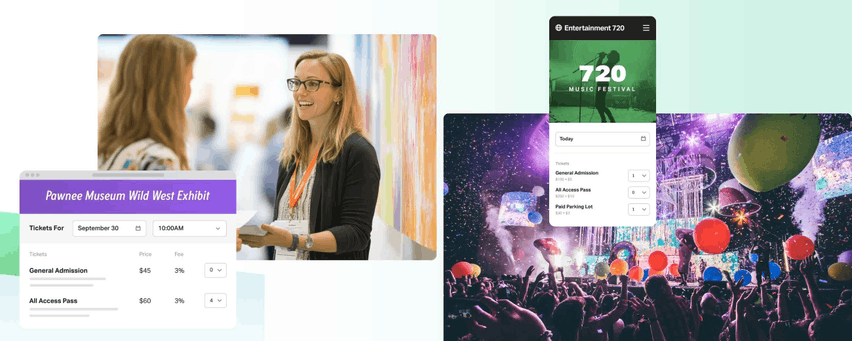
Event organizers usually sell tickets for seasonal or one-time events, with marketing concentrated around a specific launch window. Capacity is typically defined by one overall cap per event or venue, not rolling entry limits. Revenue patterns reflect this structure, with large spikes around ticket launches and deadlines instead of steady daily sales. Their tech needs focus on high-traffic resilience, tiered pricing, and promotional urgency to handle surges in demand. Attendance happens in one-time windows, with most people arriving around the same time.
While there are similarities, the differences are too important to ignore. Trying to force one system to behave like the other almost always results in headaches and lost revenue.
Signs You’re Using the Wrong Type of Ticketing Software
When your ticketing platform isn’t aligned with your model, the friction shows up everywhere. You’ll know it when you see it. If any of these sound familiar, it’s a sign your system is holding you back:
❌ You’re manually updating availability every single day
❌ Customers regularly book the wrong time slot
❌ Your site crashes during high-traffic moments
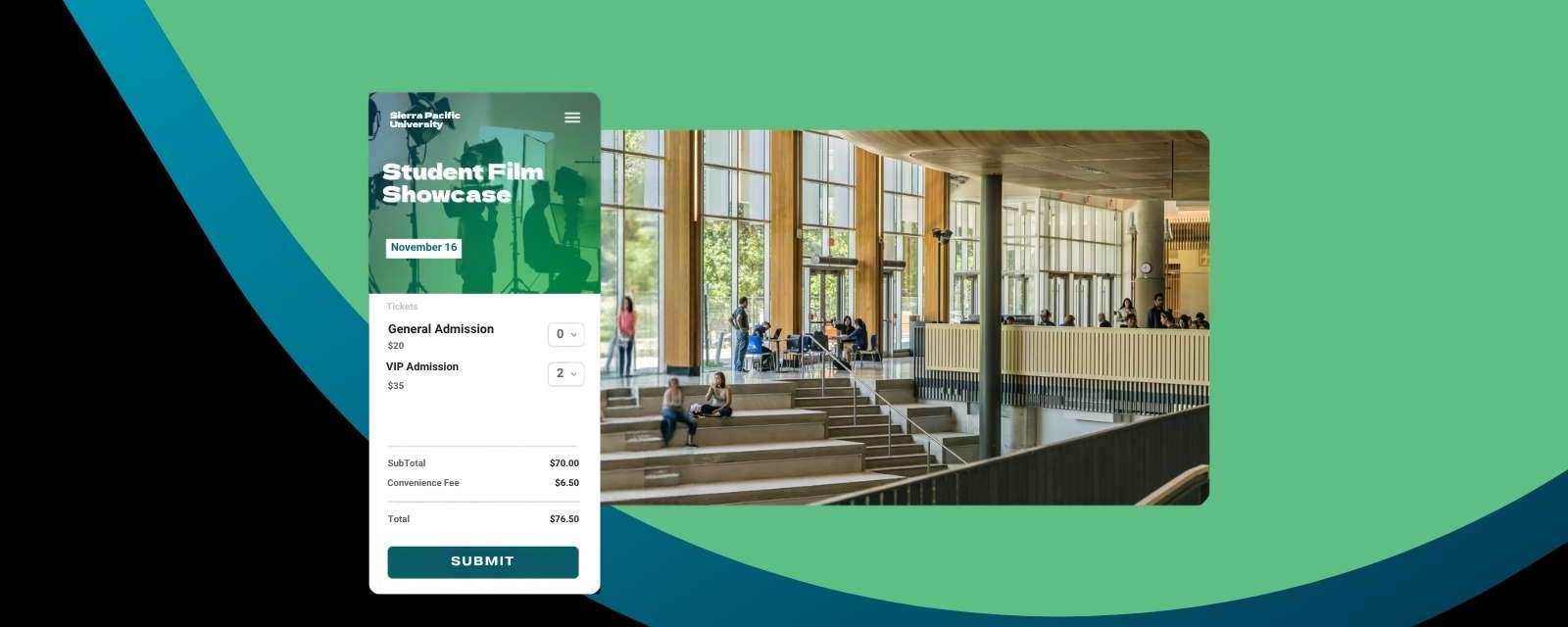
❌ You can’t sell upgrades, add-ons, or memberships cleanly
❌ Reporting doesn’t reflect how your operations actually work
❌ Attendees complain about the check-in lines because the system can’t handle volume
❌ You’re patching gaps with spreadsheets and workarounds
These aren’t minor annoyances; they’re revenue leaks caused by mismatched software.
Can One Ticketing Software Really Serve Both Operators and Organizers?
While many systems claim to serve both operators and organizers, most systems lean heavily in one direction and fall short in the other. That’s why many organizations end up duct-taping multiple platforms together.
Some platforms, however, like TicketSpice, are built with the flexibility to support both. TicketSpice was intentionally designed to support both daily operations and major events without forcing you into rigid templates or clunky workflows. Whether you host a one-day Renaissance fair or a year-round public garden, your ticketing system should adapt to your world, not the other way around.
What to Look For If You Run Both Daily Operations and Events
Some of you are juggling a hybrid reality of both daily operations and one-time events. Perhaps you run a farm that hosts a yearly haunt event and year-round tours with different themes. Your software must support both rhythms without glitching. If you run both operations and events, here’s what to look for:
✅ Swappable ticket types for daily and single-date events
✅ Support for both timed entry and assigned seating
✅ Upsells, add-ons, and merchandise baked into every flow
✅ Easy cloning to spin up new events in minutes
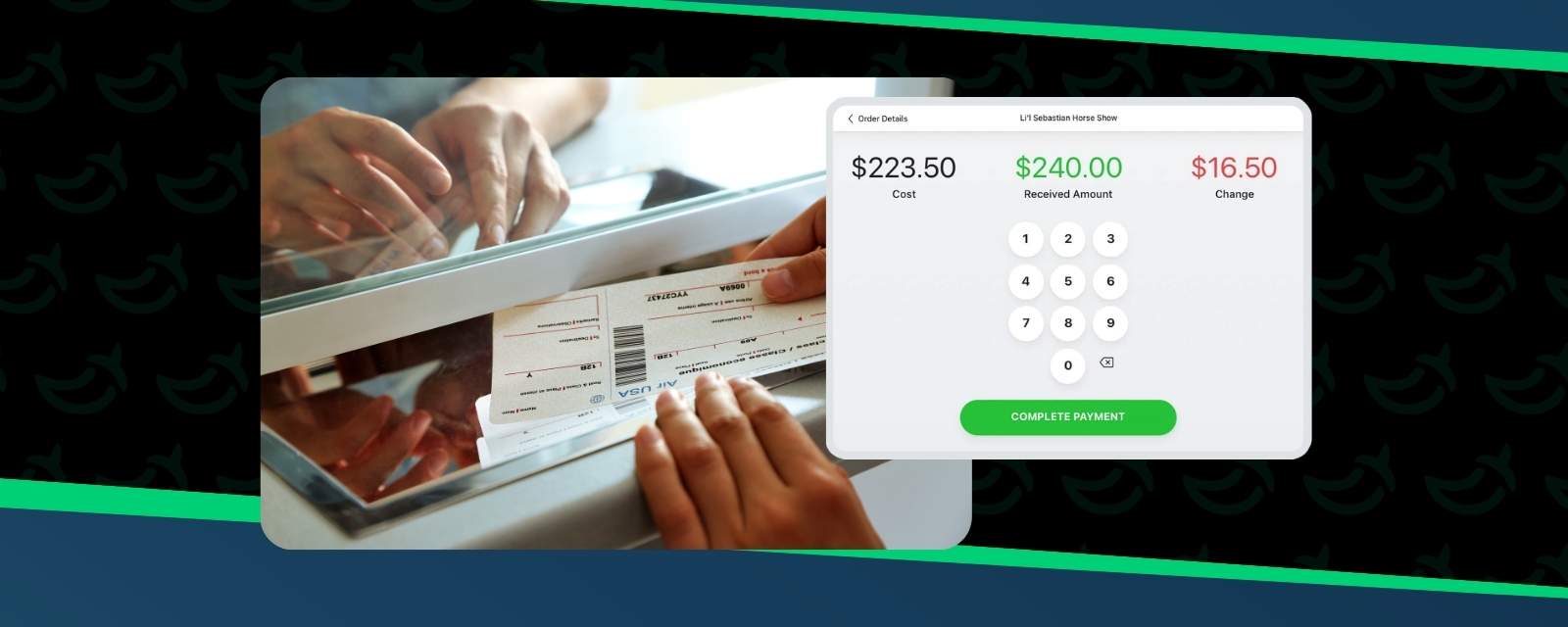
✅ Staff-friendly check-in options for busy and slow days
✅ Lightning-fast performance during high-demand launches
✅ Affordable fees that protect your margins
If your current system can’t do all of this, you’re carrying an unnecessary operational burden.
Our Verdict: The Best Ticketing Software for Both Operators and Event Organizers
The best choice for both models is software that performs under the daily pressure of operations while still powering the high-stakes intensity of event launches. TicketSpice is one of the few platforms that can deliver both without compromise. With powerful timed entry tools, flexible pricing, robust check-in capabilities, membership support, full branding control, and ultra-low fees, TicketSpice grows with your business, no matter how you structure your year.
FAQs
What’s the difference between operator and organizer ticketing?
Operators need daily, recurring ticketing with timed entry; organizers need one-time or seasonal event ticketing with pricing tiers and launch campaigns.
Which features does an operator absolutely need?
Timed entry, capacity tools, group bookings, memberships, add-ons, and fast check-in.
Can daily attractions use event ticketing software?
You can, but it’s often uncomfortable. Most event systems aren’t built for ongoing capacity management.
What’s the best ticketing software for tour operators?
A flexible, customizable platform like TicketSpice.
Does TicketSpice support timed entry?
Absolutely.
Do operators need memberships or season passes?
Many do, and TicketSpice fully supports them.
How do I know if I need to switch platforms?
If you’re doing manual updates, struggling with time slots, losing revenue on fees, or dealing with system crashes, it’s time.
Key Takeaways
🔑 Operators and event organizers have very different ticketing needs
🔑 Most systems cannot effectively serve both models
🔑 Using the wrong software creates confusion, manual work, and lost revenue
🔑 A flexible platform simplifies hybrid operations and unlocks new revenue
🔑 TicketSpice is one of the few flexible, scalable options that can support both daily attractions and single-date events
Ready to simplify ticketing for your operations and events?
You can get started with TicketSpice today, or reach out to our support team with questions.
We’re here to help you have the best event ever!
— The TicketSpice team