
Why Most Museums Don’t Actually Have an Attendance Problem
If Saturday is packed and Tuesday is empty, the problem likely isn’t demand.
It’s distribution.
Many museums already have visitor interest. The challenge is that visitors tend to arrive in uneven waves. Weekends get crowded. Weekday afternoons stay quiet. Staff planning gets harder. Exhibits sit underused during large parts of the week.
A stronger attendance strategy gives people a reason to visit during the windows you actually need to fill. That’s where pricing, promotions, memberships, programming, and ticketing strategy start to matter.
This guide breaks down how museums can increase attendance during slower days and off-peak seasons by shaping demand, driving repeat visits, activating local audiences, and using ticketing tools to see what is actually working.
Why Museums See Attendance Drops During Off-Peak Days
Off-peak attendance isn’t random. Most slow periods come from predictable visitor behavior.
Visitors naturally default to weekends. Families, tourists, and working adults tend to plan museum visits around Saturdays, holidays, and school breaks. Without a specific reason to come on a weekday, they usually won’t.
When an exhibit is always available, there is less urgency to visit right away. If guests believe they can come anytime, many will wait. And then wait again.
Turns out “anytime” usually means “not right now.”
School calendars create another layer of seasonality. Summer, holidays, spring break, and field trip season can all drive spikes, while ordinary weekdays outside those periods can lag.
Tourists often carry peak demand, while locals avoid busy windows entirely. That means many museums are busiest with visitors from out of town while nearby audiences remain underactivated during slower periods.
The good news: predictable patterns are easier to change.
If museums know when attendance drops, they can create offers, programs, and partnerships designed specifically for those windows.
The Most Effective Ways Museums Increase Weekday Attendance
Most museums do not need more general promotion. They need better reasons for people to visit on slower days.
That’s the difference between marketing and demand shaping. Posting more often may help people remember the museum exists. But a well-timed offer or program gives them a reason to come this Thursday instead of “someday.”
Here are a few strategies that work especially well.
🎟️ Time-limited weekday promotions
Create offers tied to specific slower windows, like Wednesday afternoon admission, After 3 PM tickets, or Free Child Thursdays. These work because they point demand toward available capacity.
🏙️ Local resident campaigns
Tourists often drive weekend crowds. Locals are the weekday opportunity. Resident offers, neighborhood campaigns, local employer partnerships, and targeted email campaigns can help bring nearby audiences in when tourism traffic is lighter.
🏛️ Member-only slow-window perks
Members are more flexible than one-time visitors. Offer member mornings, weekday previews, or bonus guest passes valid Monday through Thursday.
🎓 School and education partnerships
Field trips aren’t the only option. Museums can also work with homeschool groups, universities, continuing education programs, and local libraries to create predictable weekday traffic.
🎭 Programming that creates a reason to return
Curator talks, workshops, seasonal installations, evening events, and rotating exhibits give guests a reason to visit again. Attendance growth usually comes from behavior change, not just awareness.
For more ideas, see these high-converting promotions.
How Museums Use Discount Pricing Without Cheapening the Experience
Discounts can help fill slower museum days, but discounting everything teaches visitors to wait for a deal.
And once that happens, it is hard to untrain.
The best museum promotions are specific. They’re tied to a day, time window, audience, or behavior. The goal is not to make admission feel cheaper all the time. The goal is to move attendance into slower windows without weakening the value of the experience.
Good discounting looks like:
✅ Weekday-only family bundles
✅ Afternoon admission pricing
✅ Local resident offers
✅ Rainy-day promotions
✅ Member-exclusive guest passes
Weak discounting looks like:
🚫 Permanent public discounts
🚫 Unlimited promo codes
🚫 Discounts on already-busy days
🚫 Same offer every month
🚫 No expiration or audience targeting
Promo code limits, expiration windows, and timed offers help museums target slower periods without turning every admission into a discount. For more on structuring offers intentionally, see this guide on discount codes for event tickets.
Memberships Are One of the Best Off-Peak Attendance Tools Museums Have
Memberships are not just a way to bring in recurring revenue. They are one of the easiest ways to encourage repeat visits during slower windows.
Members already have a reason to come back. The opportunity is giving them the right reason to come back on a Tuesday morning, a quiet afternoon, or before a busy exhibit opens to the public.
That makes memberships especially useful for smoothing demand. Instead of treating them only as annual passes or donor perks, museums can use member benefits to shape attendance behavior throughout the year.
Examples:
🔁 Member-only mornings before public hours
🔁 Weekday guest passes
🔁 Early access to rotating exhibits
🔁 Member previews on slower days
🔁 Bonus perks for off-peak visits
These benefits give members a reason to visit during slower windows, without adding pressure to already busy public hours.
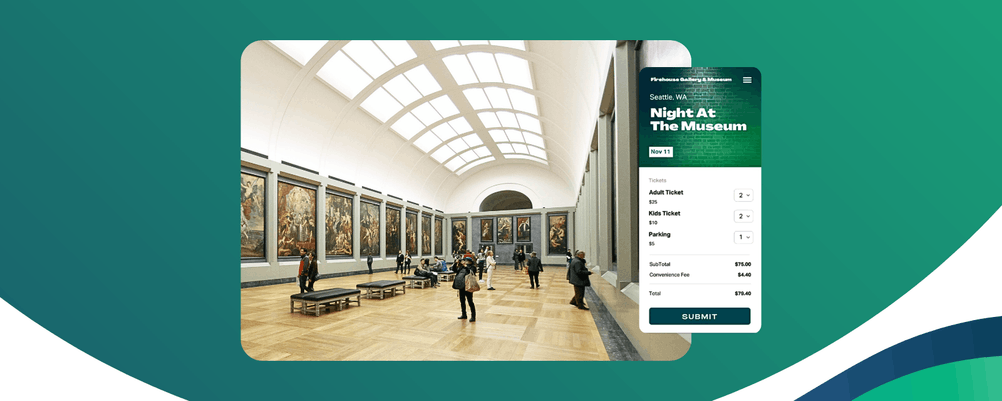
Ticketing systems with membership ticket types and gated access flows can help museums manage these perks without spreadsheets or manual verification.
Special Events and Rotating Exhibits Need the Right Timing
Special exhibits can absolutely drive attendance, but timing still matters.
If every major program lands on an already-busy Saturday, it may create a bigger crowd without solving the bigger problem.
The strongest museum programming helps fill the quieter parts of the calendar, not just stack more demand onto peak days.
Consider:
🏛️ Curator talks on quieter evenings
🏛️ Workshop series during slow weeks
🏛️ Adults only nights outside peak family hours
🏛️ Seasonal installations with timed entry
🏛️ Cultural programming tied to local communities
🏛️ Guided tours bundled with exhibit access
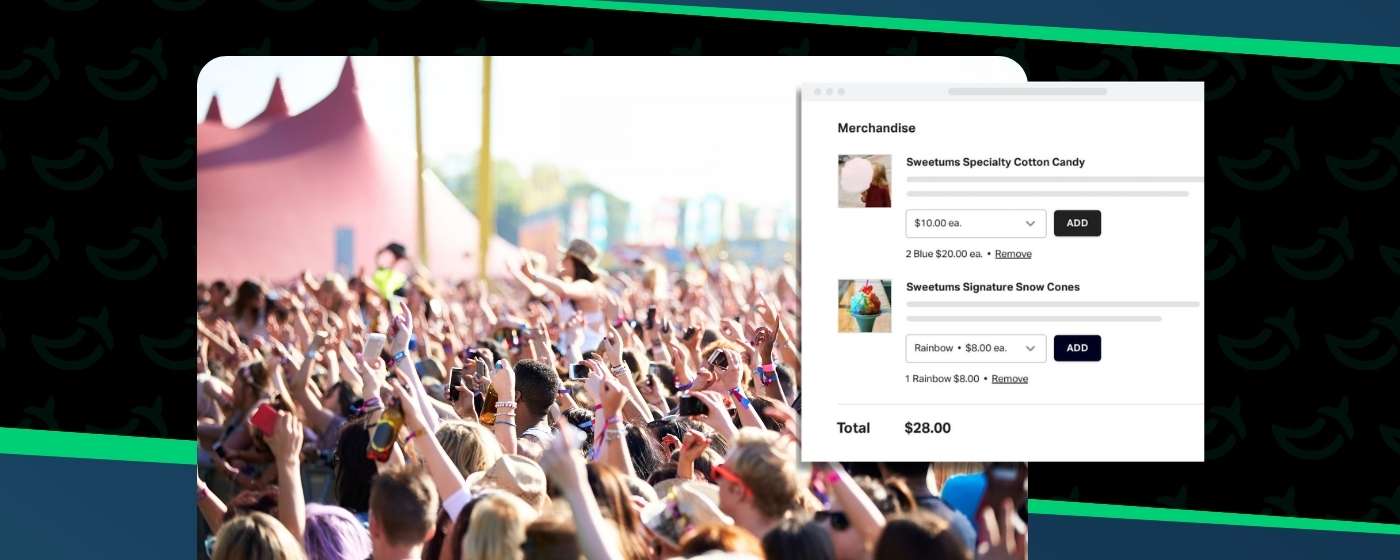
Those programs can also create natural upsell moments. A curator talk might pair with special exhibit access. A workshop might include a materials fee. An evening event might offer a merch bundle or guided tour upgrade.
TicketSpice supports add-ons and upsells, making it easier to package those experiences alongside admission.
How Museums Use Data to Shape Attendance
Most museums track attendance totals. But totals only tell part of the story.
A monthly report might show that attendance was “fine,” while hiding the details that actually matter: Saturdays were overloaded, Tuesday afternoons were empty, and one weekday promotion drove most of the lift.
That’s why museums should track patterns, not just headcount.
Useful metrics include:
📊 Attendance by weekday
📊 Attendance by hour
📊 Repeat visitation
📊 Member usage
📊 Campaign conversion
📊 Weather impact
📊 Revenue by ticket type
These numbers help answer practical questions:
📌 Which days are underused?
📌 Which time slots feel crowded?
📌 Which promotions actually moved attendance?
📌 Are members visiting during slower periods?
📌 Are locals responding differently than tourists?
That kind of visibility makes attendance strategy easier to adjust. When museums know which days, campaigns, and visitor segments are actually moving attendance, they can make smarter decisions faster.
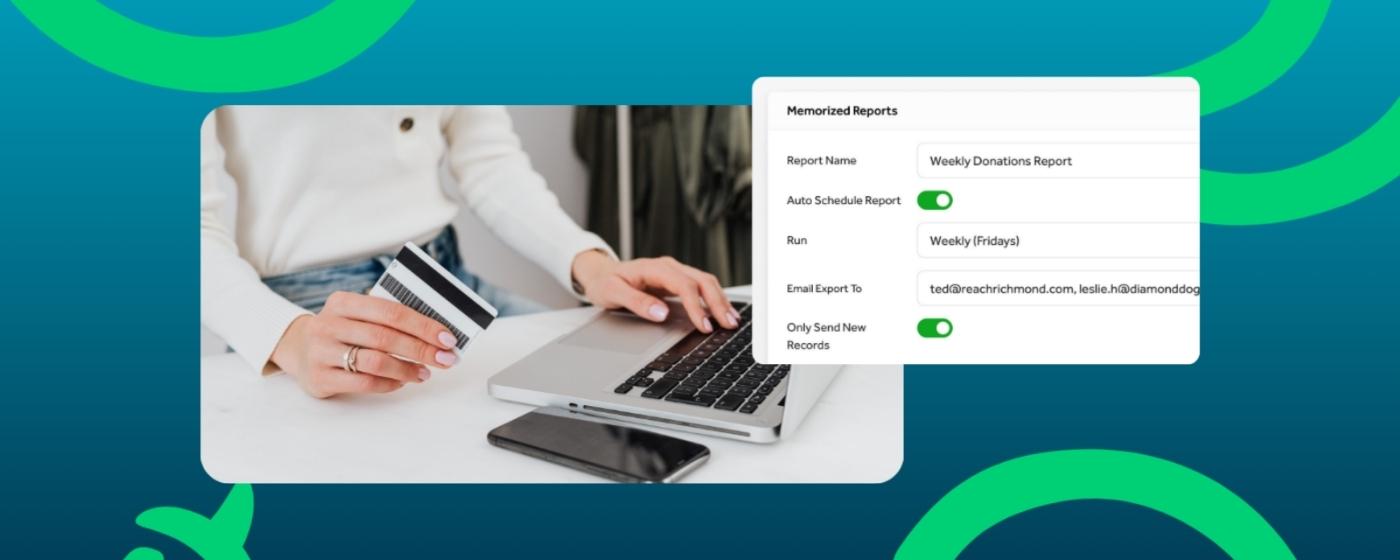
TicketSpice’s real-time event ticketing analytics help museums track ticket sales, attendance patterns, campaign performance, and visitor behavior across different dates and time windows.
Common Museum Attendance Mistakes That Quietly Hurt Growth
Most attendance problems do not come from one bad campaign.
They come from small patterns that keep repeating.
🚫 Ignoring local audiences
Tourism traffic comes and goes. Local repeat visits create steadier demand.
🚫 Overcrowding weekends while weekdays stay empty
Uneven attendance makes staffing harder and the guest experience less consistent.
🚫 Treating memberships like passive revenue only
Memberships should help drive repeat visits, off-peak attendance, and member-only upsell opportunities.
🚫 Using one message for every audience
Families, tourists, members, school groups, and donors all visit for different reasons.
🚫 Relying on one major exhibit
A big exhibit can drive a spike, but attendance may drop once it leaves.
🚫 Not tracking what actually worked
If you do not know which campaign drove the visit, you cannot repeat it.
The fix is not more random marketing.
It’s a clearer demand strategy.
FAQs
How do museums increase consistent attendance?
Museums increase attendance by using targeted promotions, memberships, rotating exhibits, local partnerships, programming, and timed ticketing strategies that shift traffic into slower periods.
What days are museums usually busiest?
Most museums see their highest traffic on Saturdays, holidays, and school breaks. Weekday afternoons are often the most underused attendance windows.
Do museum discounts actually increase attendance on off-peak days?
Targeted discounts can increase attendance when they are tied to specific off-peak windows or audience segments. Broad permanent discounts often reduce revenue without changing visitor behavior.
How do museums attract repeat visitors?
Museums attract repeat visitors through memberships, rotating exhibits, recurring programming, exclusive events, and offers that create a reason to come back throughout the year.
What is the best way to increase weekday museum attendance?
The best strategies usually combine weekday-only promotions, local audience targeting, school partnerships, memberships, and special programming designed for slower windows.
What are some museum marketing ideas for slow days?
Museums can promote slow days with weekday-only offers, local resident campaigns, member previews, school partnerships, evening programs, and rotating exhibits that give visitors a reason to come during off-peak windows.
The Museums That Grow Attendance Best Shape Demand Intentionally
Attendance growth is not usually random.
The museums that grow most consistently understand when visitors come, why they return, and which slower windows still have room to grow.
That is where off-peak attendance becomes more manageable. Targeted promotions, memberships, programming, pricing strategy, and clear reporting all work together to help museums move demand where they need it most.
TicketSpice helps museums manage timed offers, memberships, group ticketing, promotions, and attendance analytics in one place, so teams can see what is working and adjust without adding unnecessary complexity.
Ready to bring more visitors into slower windows? You can get started with TicketSpice today or reach out to our support team with questions.
We’re here to help you create smoother visits, steadier attendance, and a better experience for every guest.
— The TicketSpice Team