
Selling out an event has never been simple. Today, it’s also more competitive than ever.
That’s where AI event marketing is starting to change the game. Artificial intelligence helps you analyze attendee data, personalize marketing campaigns, predict ticket demand, and automate repetitive tasks.
Instead of relying on instinct alone, you can use AI to uncover patterns in your marketing data and make smarter decisions about how to promote your event.
Across festivals, attractions, museums, and sporting events, organizers like you are using AI to reach the right audiences and sell tickets more effectively.
Why AI Is Becoming Essential in Event Marketing
Event marketing has become significantly more complex in the last decade.
You may be running campaigns across email, social media, paid advertising, search engines, and partnerships all at the same time. Each of these channels generates valuable data about how your audience behaves.
AI helps you analyze that information quickly so you can make smarter decisions about your marketing strategy.
Several industry shifts are accelerating AI adoption in events:
🔍 Competition for attention has increased. Attendees are exposed to more events and experiences than ever before.
📊 Marketing channels have multiplied. Social media, email, search ads, and influencer promotions all compete for budget.
📈 Event data has grown dramatically. Ticket sales data, website analytics, and attendee behavior create massive datasets.
AI helps you interpret this information faster, identify patterns, and help you determine where your time and energy will have the most impact.
How AI Fits Into the Event Marketing Workflow
AI can support you at multiple stages of the event marketing process. Instead of replacing your strategy, it helps you execute campaigns more efficiently and make more informed decisions.
Here are several areas where AI is commonly used throughout the event promotion lifecycle.
Audience research and segmentation - AI tools can analyze attendee demographics, purchase behavior, and engagement history to help you identify audience segments. This makes it easier to build targeted marketing campaigns instead of sending the same message to everyone.
Campaign creation and testing - Some AI tools assist with generating marketing copy, social media variations, and ad concepts. They can also help run automated A/B testing so you can quickly see which messaging resonates most with your audience.
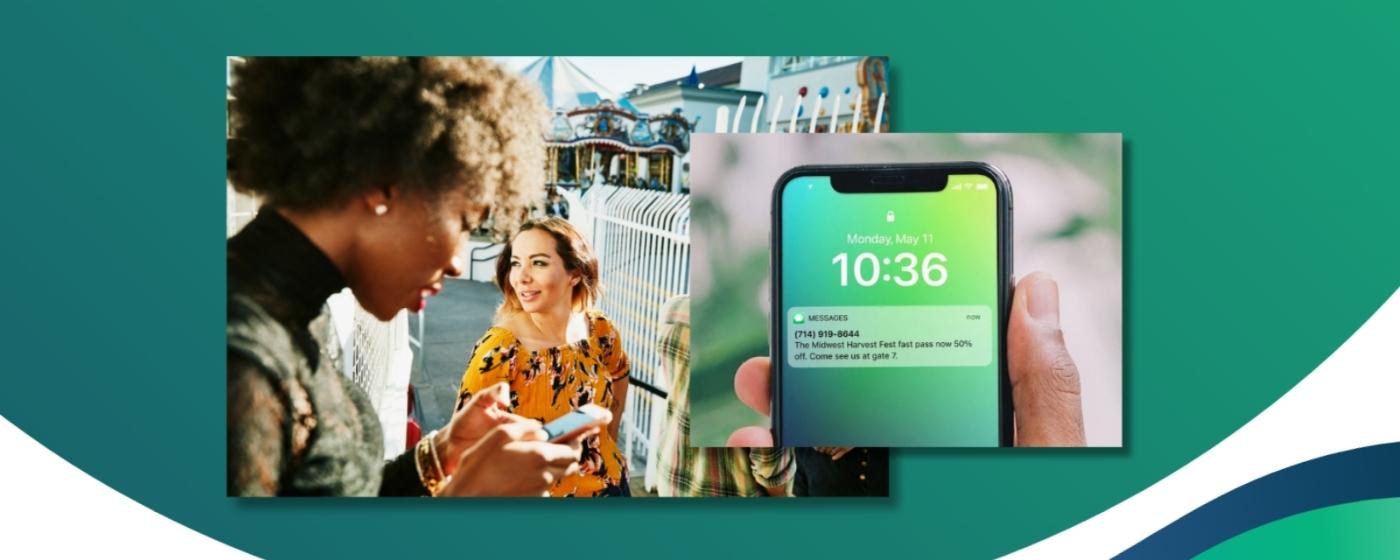
Personalized communication - AI allows you to tailor email campaigns and promotional messaging based on attendee behavior. Someone who attended your event last year might receive a different message than someone discovering your event for the first time.
Ticket sales optimization - AI can analyze historical sales patterns to estimate ticket demand and identify optimal promotion timing.
Post-event analysis - After your event ends, AI-powered analytics tools help you review campaign performance and uncover insights for future events.
Real AI Use Cases in Event Marketing
The easiest way to understand the impact of AI is to look at how it works in real marketing situations. These examples show how you can apply AI to improve your event promotion strategy.
Personalizing Attendee Journeys and Event Experiences
AI makes it easier to deliver personalized experiences to your attendees.
Instead of sending the same communication to your entire audience, AI tools help you tailor messaging based on your attendees’ interests and behavior.
For example, your marketing campaigns might include the following types of personalization:
🎟 Recommending specific activities based on attendee interests
📧 Adjusting email messaging depending on past attendance
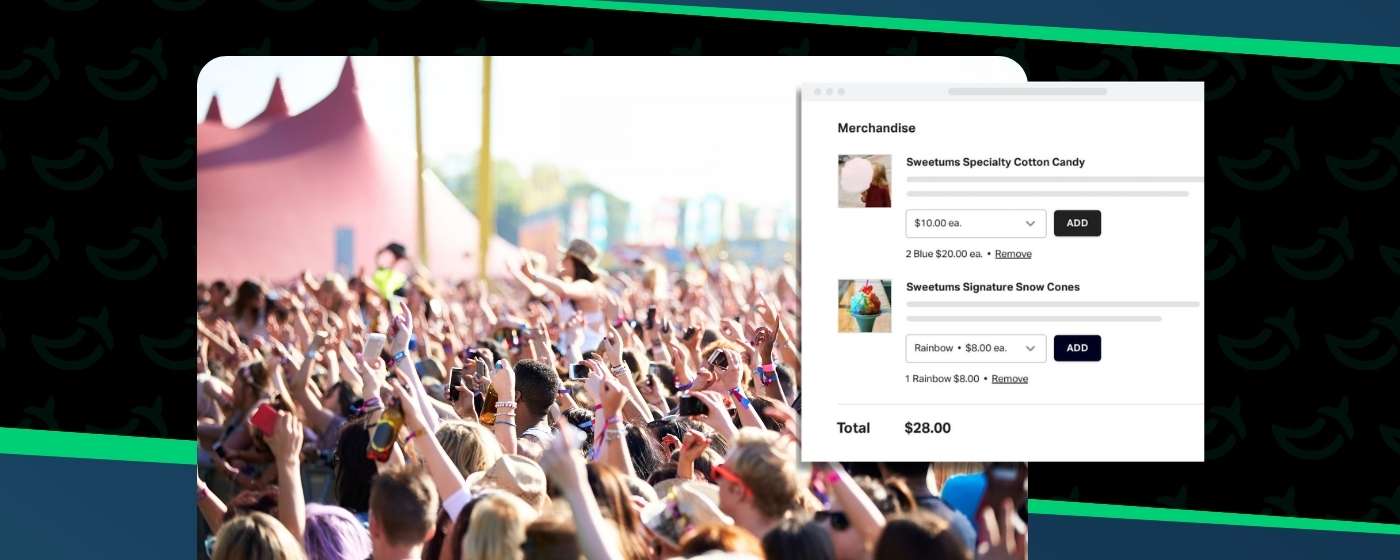
🛍 Suggesting VIP upgrades or add-ons during ticket purchase
📍 Promoting different attractions or experiences based on visitor preferences
This level of personalization improves engagement and helps attendees feel like your event experience was designed specifically for them.
Predicting Ticket Demand and Optimizing Pricing
AI can also help you forecast ticket demand and improve your pricing strategy.
By analyzing past event data and campaign performance, AI tools can estimate how ticket sales will evolve over time. This helps you make better decisions about promotions and pricing tiers.
For example, you may learn that ticket sales typically spike after a major announcement or during a specific promotional window. With this insight, you can plan your marketing calendar more strategically.
Over time, this type of predictive analysis can help you increase revenue while reducing uncertainty in your planning process.
Automating Campaigns and Audience Targeting
Marketing teams often spend significant time managing repetitive tasks. If you use AI tools to automate some of these processes, however, you can focus more on creative strategy and event experience.
Consider using AI to help automate the following:
📣 Identifying high-performing ad audiences
📬 Optimizing email send times
🎯 Segmenting your audience automatically
📊 Adjusting campaign targeting based on performance data
Automation helps you spend less time managing spreadsheets and more time developing great event experiences.
Real-Time Support and Feedback Collection
AI-powered chatbots and messaging tools can also support your attendees before and during your event.
Instead of waiting for a response from your team, attendees can receive immediate answers to common questions.
These tools can help with topics such as ticket access, event schedules, and parking information. They can also collect feedback before, during, and after the event so you can learn what worked and what could be improved.
Better communication often leads to better attendee satisfaction and stronger marketing insights.
Proving and Measuring Event ROI with AI
One of the biggest challenges in event marketing is understanding which campaigns actually drive ticket sales.
AI analytics tools help connect marketing activity to measurable results.
For example, AI can help you determine which campaigns generated the most ticket purchases, which marketing channels had the best conversion rate, and which audience segments delivered the highest long-term value.
These insights allow you to allocate marketing budgets more effectively and improve future campaigns.
Examples of AI in Event Marketing
Sometimes the easiest way to understand AI is through simple scenarios.
Imagine you’re running marketing for a fall festival. AI tools analyze your social media advertising campaigns and automatically shift budget toward the highest-converting audience segments. Without increasing ad spend, you generate more ticket sales.
At a seasonal attraction, AI may identify that certain visitors frequently purchase premium experiences. When those visitors return to your ticketing page, AI-powered tools recommend VIP upgrades or add-ons.
AI can also analyze historical attendee behavior and predict which past guests are most likely to return. You can then target those attendees with early ticket access or loyalty discounts.
These types of insights allow you to market your events more strategically and efficiently.
Using AI to Measure Performance and Plan Future Events
AI becomes even more valuable after your event ends.
Post-event analysis helps you understand what worked and what didn’t. AI tools can process large amounts of campaign data to identify patterns and opportunities.
For example, AI analytics may show you the following insights:
📊 Which marketing channels generated the highest ticket sales
📅 When attendees were most likely to purchase tickets
🎯 Which promotions converted best
👥 Which audience segments responded most strongly to your campaigns
You can apply these insights to improve future events and develop stronger marketing strategies over time.
Building an AI Strategy for Your Event Marketing
You do not need to transform your entire marketing operation overnight to start using AI.
You can approach AI adoption step by step:
- Start with one marketing workflow.
Choose a specific area where AI could help, such as email segmentation, ad targeting, or campaign analysis. - Test AI-powered tools.
Use AI to assist with that process and observe how it affects your efficiency and campaign performance. - Measure the results.
Review metrics like engagement rates, ticket sales, or advertising performance to determine whether AI improved your results. - Expand to additional workflows.
Once you see success, apply AI to other areas of your marketing strategy, such as predictive analytics or campaign automation.
This incremental approach allows you to build confidence with AI while continuing to refine your event marketing strategy.
Where AI and Event Marketing Are Headed Next
AI will continue to shape how events are marketed in the coming years.
Future developments will likely include more predictive marketing tools, deeper audience insights, automated campaign management, and highly personalized attendee experiences.
For event organizers and attraction operators, this means marketing decisions will become increasingly data-driven.
You will be able to anticipate audience behavior more accurately and deliver more engaging experiences to your attendees.
How TicketSpice Supports Smarter Event Marketing
Effective AI marketing depends on reliable event data.
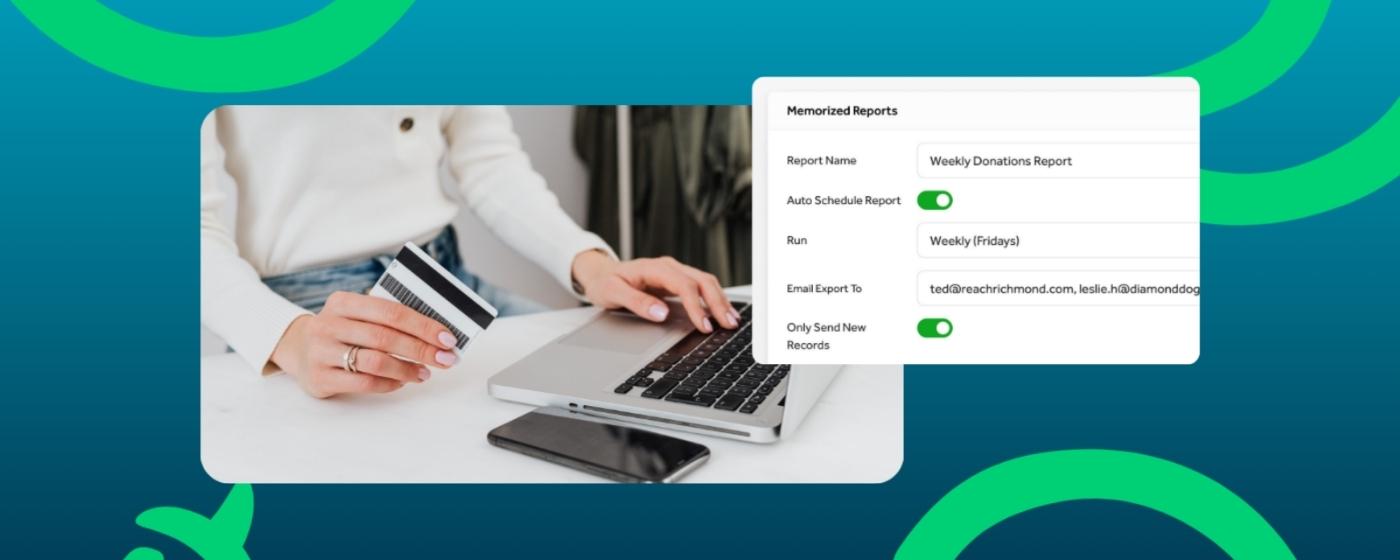
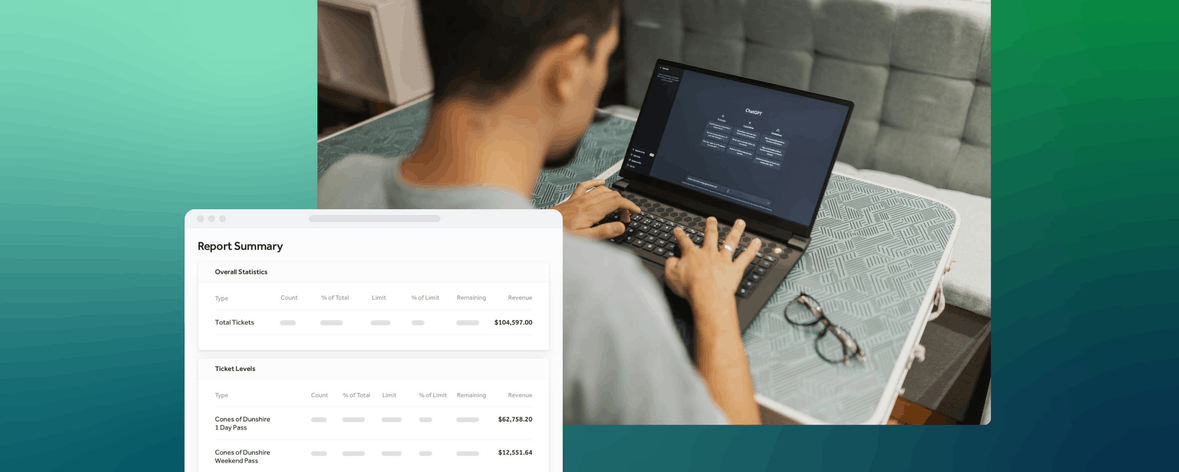
TicketSpice helps you collect and analyze the information you need to improve your marketing strategy. You can track ticket sales, monitor ticket sales performance, and analyze attendee behavior using built-in reporting tools.
TicketSpice also integrates with marketing platforms and analytics tools so you can connect ticketing data with your broader marketing efforts.
When you have access to accurate attendee data, you can make more informed decisions about promotions, pricing, and future events.
FAQs
How does AI help with event marketing?
AI helps you analyze attendee data, personalize marketing campaigns, optimize advertising, and measure campaign performance more effectively.
Can AI improve event ticket sales?
Yes. AI can help identify high-converting audiences, optimize marketing campaigns, and recommend pricing strategies that increase ticket sales.
What AI tools are used for event marketing?
Common tools include AI-powered email marketing platforms, advertising optimization tools, chatbots, predictive analytics platforms, and AI content assistants.
How can AI improve audience targeting for events?
AI analyzes attendee data and identifies patterns in demographics, interests, and purchasing behavior. This helps you create more precise audience segments and more relevant marketing campaigns.
Is AI replacing event marketers?
No. AI automates repetitive tasks and analyzes data, but human creativity and strategy remain essential for successful event marketing.
How do event organizers start using AI in marketing?
You can start by applying AI tools to a single marketing task, such as email segmentation or ad targeting. Measure the results and expand gradually as you gain experience.
What role will AI play in event marketing in the future?
AI will likely continue to improve predictive marketing, campaign automation, audience insights, and personalized attendee experiences.
Key Takeaways
🔑 AI helps you analyze event marketing data faster. You can identify patterns in ticket sales, attendee behavior, and campaign performance.
🔑 Personalization improves attendee engagement. AI allows you to tailor messaging and recommendations to different audience segments.
🔑 Automation saves time for event teams. AI tools can manage repetitive marketing tasks such as segmentation and campaign adjustments.
🔑 Predictive insights improve ticket sales strategy. AI can estimate demand and help you plan pricing and promotions more effectively.
🔑 Better analytics lead to smarter marketing decisions. AI connects marketing activity with real outcomes so you can refine your strategy.
Ready to see results? You can get started with TicketSpice today, or reach out to our support team with questions.
We’re here to help you have the best event ever!
— The TicketSpice team