
If you’ve ever stood behind a folding table watching a line grow longer by the minute, you already know this: event check-in can make or break the entire day.
Check-in is often the first live interaction attendees have with your event team. Before the performances, before the food, and before the buzz of the event begins, there’s the door.
From an attendee’s perspective, check-in influences the flow of logistics and the initial mood. For an organizer, check-in sets the tone for the entire operation. In the rest of this guide, we go beyond the theories and provide insights that come from decades of hands-on experience.
What a Great Event Check-In Looks Like
A great check-in experience doesn’t have to stand out. If the lines are moving steadily, the signage is clear, and the staff are calm and welcoming, the check-in process fades into the background. Instead, the attendees are focused on the event itself.
Behind the scenes, creating that experience depends on a few operational realities:
➡️ Attendee information is easy to access and update
➡️ Staff and volunteers know their roles and escalation paths
➡️ Small issues are resolved quickly without stalling the line
➡️ Entry stays smooth even as volume increases
When both sides of that equation are in place, check-in becomes a quiet success, and everything that follows has a much better chance of running smoothly.
Step-by-Step: How to Improve Your Event Check-In Process
Check-in works best when it’s treated as a workflow, not a single moment at the door. Strong check-in starts well before attendees arrive and continues through peak entry times.
🗂 Prepare attendee data and tools in advance
Clean attendee lists, confirmed ticket types, and tested devices reduce friction before it starts. The fewer surprises your team encounters, the faster lines move.
📍 Set up physical or digital check-in stations
Design your layout intentionally. Think about traffic flow, signage, and how attendees naturally approach the entrance, so check-in supports movement instead of slowing it down.
👥 Train staff or volunteers
Everyone working check-in should know the process, the language to use with attendees, and when to escalate an issue. Confidence at the table keeps energy calm in the line.
⏱ Manage peak arrival times
Most events experience arrival surges. Plan staffing and station coverage around those windows instead of assuming a steady flow.
⚠️ Handle edge cases without stalling the line
Late arrivals, missing ticket entries, or name mismatches happen, but a clear plan for resolving them prevents one issue from stopping everyone else.
Proven Check-In Tips from the Field
There are some check-in lessons that you learn only after running enough events and watching the patterns unfold.
For example, signage almost always works better than verbal instructions. Clear, visible signs answer questions before they’re asked and prevent staff from repeating the same directions over and over.
It also helps to design check-in for movement, not standing. The moment attendees stop to think, read, or decide, the line slows. Encourage a steady flow instead to keep energy up and wait times down.
Another small change that makes a big difference is placing staff slightly ahead of the check-in table. A quick greeting or question answered early can prevent confusion from reaching the front of the line, where it’s much harder to resolve without holding everyone else up.
Finally, tone matters more than most organizers realize. Attendees take emotional cues from the people checking them in. When staff use calm, consistent language, even unexpected issues feel manageable.
These are practical adjustments that compound into smoother entry and a noticeably calmer start to the event.
Common Mistakes That Slow Everything Down
Most check-in issues are caused by a series of small oversights. Here’s what to look out for and avoid:
🚫 Overcomplicating the process - Too many steps, too many questions, or too many exceptions slow everything down.
🚫 Understaffing peak times - Lines form fastest when arrivals spike, and staffing stays flat.
🚫 Relying on a single system - Without backups (digital systems and human support) one hiccup can halt entry entirely.
🚫 Treating check-in as “just logistics.” - If you ignore the experience side, attendees pick up on that and get frustrated before the event even starts.
Check-in doesn’t have to be perfect, but being prepared goes a long way.
Check-In Do’s and Don’ts
Before doors open, it helps to run through a quick sanity check to make sure nothing obvious will slow entry once attendees start arriving.
Do:
✅ Create a clear flow from the entrance to check-in and into the event space
✅ Empower staff to resolve small issues on the spot
✅ Keep backup options available in case tools or connectivity fail
Don’t:
❌ Force attendees to search for where they should go
❌ Leave staff guessing how to handle common situations
❌ Let a single issue stop the entire line
Running through this list will help you cover the basics and kick your event off on the right start.
How Technology Simplifies Event Check-In
Modern check-in tools remove the friction that used to feel inevitable.
📱 Mobile scanning replaces manual lookups
📊 Real-time updates keep all devices in sync
🔄 Flexible workflows allow edits, upgrades, and fixes on-site
📶 Offline capability prevents connectivity issues from stopping entry
The right technology doesn’t add complexity. It quietly supports the process you already planned.
How TicketSpice Supports a Smooth Check-In
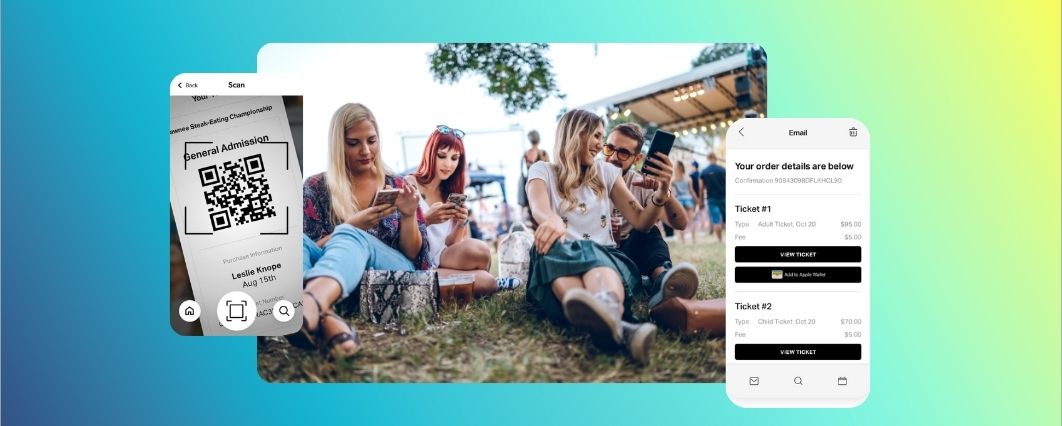
With the TicketSpice ticket scanning app, you can scan tickets quickly from any iOS or Android device. That means attendees can check in via QR code or manual lookup, and multiple devices stay synced in real time. Your team always sees the same, up-to-date attendance status.
The app is designed to support:
➡️ Speed during peak arrival windows, when lines matter most
➡️ Flexibility to handle edits, upgrades, or last-minute changes on-site
➡️ Visibility so staff and organizers know exactly what’s happening at the door
Even if connectivity drops, offline scanning keeps check-in moving and syncs once service is restored.
FAQs
What is the best way to check in attendees at an event?
A system that’s fast, flexible, and easy for staff to use, ideally with mobile scanning and live updates.
How can I speed up event check-in lines?
Prepare data early, staff for peak times, use clear signage, and avoid unnecessary steps.
How many check-in staff do I need for my event size?
It depends on arrival patterns more than total attendance. Plan for surges, not averages.
What should I do if an attendee isn’t on the list?
Have a clear escalation path and tools that allow quick manual lookup or on-site registration.
Is mobile check-in better than printed lists?
For most events, yes. Mobile check-in is faster, more accurate, and easier to update in real time.
Key Takeaways
The attendee experience starts the moment someone reaches the door, and the systems you choose matter most when volume increases. When check-in is simple and reliable, everything else has room to shine.
Ready to put these ideas into practice? You can get started with TicketSpice today, or reach out to our support team with questions. We’re here to help you have the best event ever.
— The TicketSpice team