

AI Summary
• This guide defines large events as those with 5,000+ attendees, though smaller events can also experience high-volume ticket-sale spikes.
• TicketSpice charges 99¢ per paid online ticket over $5, or 49¢ for tickets $5 and under, plus payment processing.
• Large-event ticketing platforms should be evaluated for scalability, inventory management, check-in, reporting, security, and total ticketing costs.
• This guide compares 10 large-event ticketing platforms, including TicketSpice, Eventbrite, Leap Event Technology (formerly ShowClix), Etix, Cvent, AXS, SeatGeek, accesso, Tessitura, and Tixr.
• TicketSpice supports the Albuquerque International Balloon Fiesta, which recorded 838,337 estimated guest visits across 14 completed sessions in 2024.
For this guide, we use 5,000+ attendees as the starting point for a large event, though concentrated ticket-sale traffic can create high-volume demands at smaller events too. At that scale, ticketing software needs to keep inventory, payments, check-in, and reporting connected through sales spikes and event-day surges.
What to Look for in Large-Event Ticketing Software
Large events have unique challenges that smaller gatherings simply don’t face. When you’re evaluating ticketing platforms for large-scale events, focus on tools that can perform under pressure, adapt to complex setups, and keep operations running smoothly. Here are the key features, and why they matter:
- High-Volume Performance: Large events need ticketing infrastructure that can handle sudden traffic spikes without slowing down or interrupting checkout.
- Real-Time Inventory Management: Pricing tiers and ticket counts must update instantly to prevent overselling or attendee frustration.
- White-Label Customization: Your attendees should see your brand—never the platform’s. Custom domains and design control build trust and consistency.
- Advanced Security & Fraud Protection: High-value tickets attract fraud. Tokenized payments and PCI compliance keep your data (and your attendees) safe.
- Actionable Reporting: Real-time analytics let you monitor sales performance, identify trends, and keep sponsors and teams aligned.
- Group & Membership Sales: Group discounts, team registrations, and memberships make the checkout process more efficient and boost conversions as a result.
Timed Entry & Capacity Controls: Managing entry windows and daily limits keeps lines short and guest experiences smooth.
Large-Event Ticketing Platforms Compared
What it Costs at Scale
Flat per-ticket pricing costs less than percentage-based pricing at every volume and ticket price below, because TicketSpice's platform fee does not grow with the ticket price. The figures are platform fees only, before payment processing, which both platforms charge on top.
What This Comparison Shows
For festivals, fairs, theme parks & attractions, zoos & aquariums, recurring and seasonal events, TicketSpice offers the strongest overall combination of flexible timed entry, capacity controls, onsite sales, mobile and offline scanning, and transparent public pricing.
Several alternatives are built around more specialized use cases. AXS and SeatGeek primarily serve stadium, arena, and professional-sports ecosystems. Cvent centers on enterprise conferences and corporate events. Tessitura is designed around arts and cultural organizations. Leap requires an exclusive contract for its professional ticketing platform, while accesso and Tixr use custom pricing rather than publishing a standard organizer rate.
TicketSpice stands out for giving large events and attractions advanced operational tools without requiring a traditional enterprise ticketing contract or custom pricing just to understand what the platform will cost.
TicketSpice
TicketSpice is built for high-volume festivals, fairs, attractions, and other events that need flexible ticketing, branded checkout, timed entry, and connected online and onsite operations.
Key Features
🔑 Low-fee pricing model (99¢ per paid online ticket over $5, or 49¢ for tickets $5 and under, plus payment processing.)
🔑 Fully branded pages (no TicketSpice logos)
🔑 Reserved seating and timed entry tools
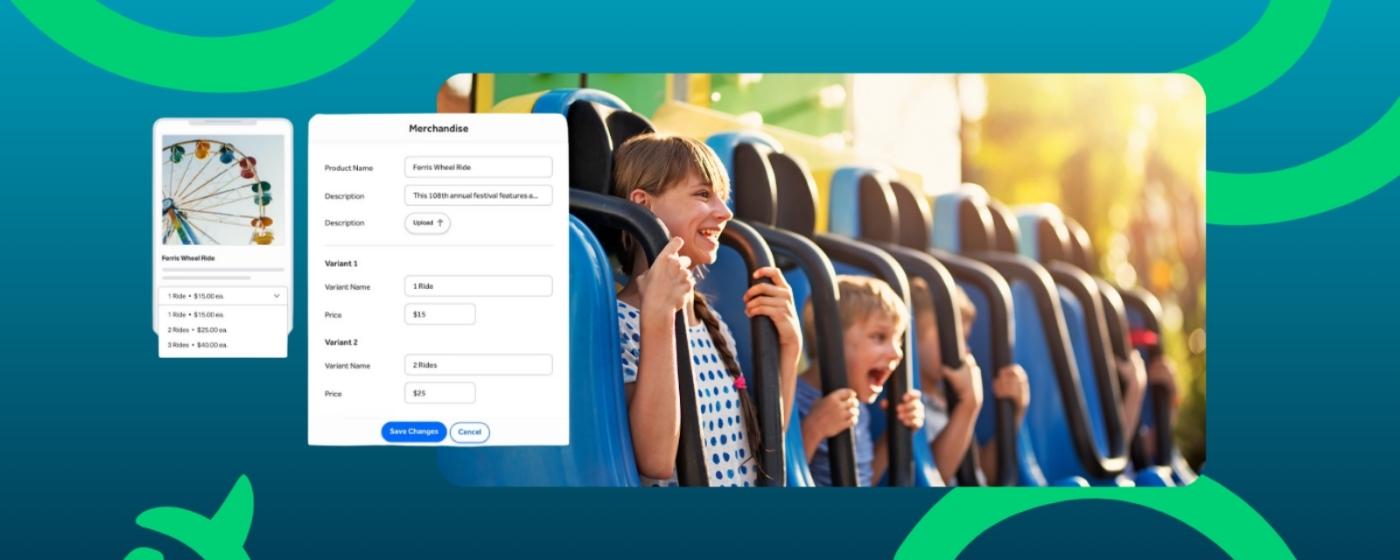
🔑 Built-in upsells and merchandise sales
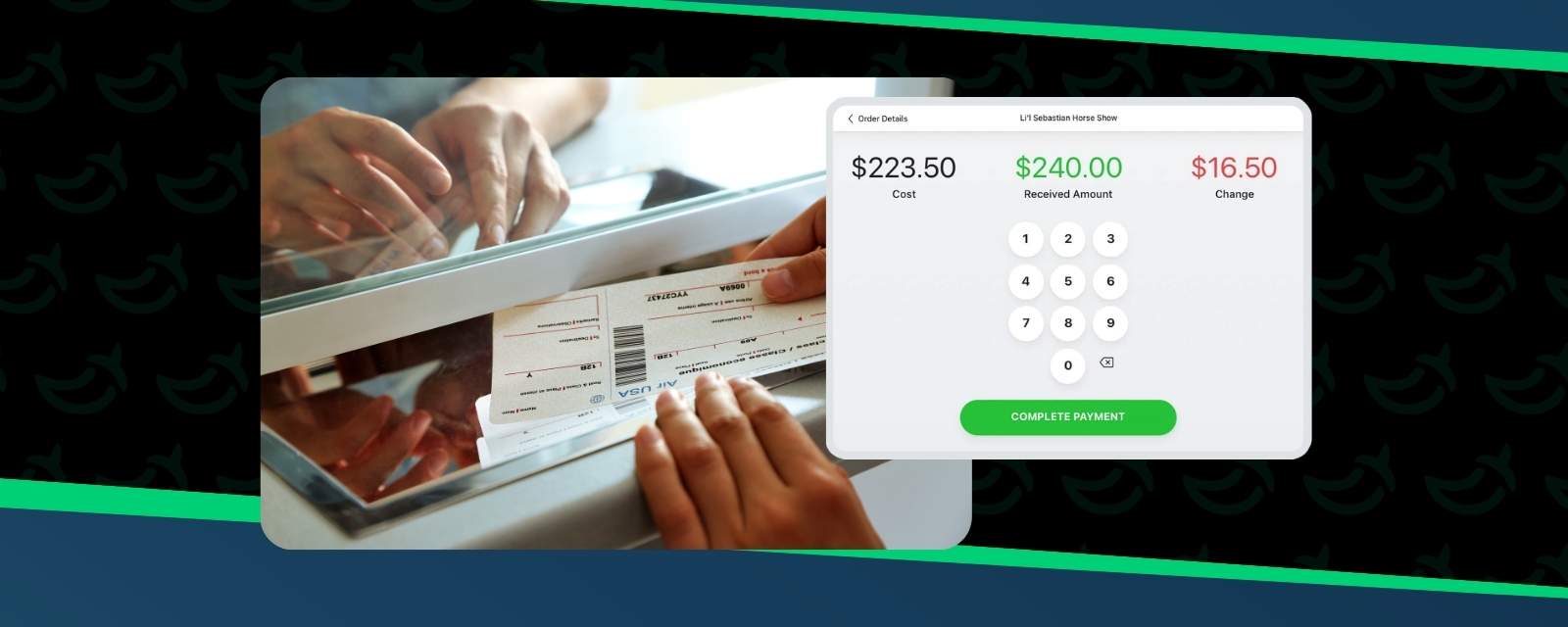
🔑 Box office on-site sales for walk-up tickets and payments🔑 Real-time reporting and analytics
🔑 QR code ticket scanning with offline + mobile check-in tools
Best For
Agritourism experiences, enterprise level events, seasonal events & attractions, festival ticketing, fairs, sports events, zoos, aquariums, and other high-volume events that need fast check-in, flexible ticketing, and full brand control.
Pros
➕ Flexible customization
➕ Transparent pricing with no hidden fees
➕ Ideal for both one-time events and ongoing operations
➕ Strong performance under heavy traffic spikes
Cons
➖ Not ideal for organizers looking for out-of-the-box templates or marketing discovery tools where other events are displayed on your page.
TicketSpice at Scale: Albuquerque International Balloon Fiesta
The 2024 Albuquerque International Balloon Fiesta recorded 838,337 estimated guest visits across 14 completed sessions, and the event used TicketSpice to support its ticketing operation. Its 2026 TicketSpice page includes multiple admission types and premium experiences.
An event at this scale requires more than simply selling a large number of tickets. Organizers have to manage inventory across multiple sessions, different ticket and experience types, and large volumes of guests while keeping sales and entry operations connected. The Balloon Fiesta is a real-world example of TicketSpice supporting the kind of complex, high-volume operation large events need.
Eventbrite
Eventbrite has expanded beyond small gatherings to serve larger events through its professional and enterprise tiers. Its self-service model, broad marketplace, and built-in marketing tools make it appealing for organizers who need promotion support alongside ticketing.
Key Features
🔑 Built-in event marketing & promotional tools
🔑 Comprehensive attendee management
🔑 Real-time analytics and reporting
🔑 Mobile check-in and organizer app
Best For
Corporate events, mid-size festivals, and multi-day events that require strong marketing and discovery tools.
Pros
➕ It’s well known and familiar to many attendees
➕ Large event discovery marketplace
➕ Strong marketing integrations
Cons
➖ Higher per-ticket fees, especially at scale
➖ Limited white-label customization
➖ Marketplace placement may surface competing events
Leap Event Technology (formerly ShowClix)
Leap Event Technology provides full-service ticketing and on-site operational tools for attractions, museums, and large-scale experiences. With robust timed-entry capabilities and optional professional services, Leap supports events that need both software and on-the-ground expertise.
Key Features
🔑 Timed entry & capacity controls
🔑 Admissions, access control, and onsite staffing options
🔑 Audience insights & marketing analytics
🔑 Membership and season pass support
🔑 Professional services for event operations and logistics
Best For
Attractions, museums, immersive experiences, fairs, and festivals that need strong operational support and timed-entry management.
Pros
➕ Excellent support for timed-entry and capacity flows
➕ Professional onsite operations available
➕ Strong membership/season pass tools
Cons
➖ Professional ticketing pricing is negotiated rather than publicly listed
➖ Requires a ticketing contract for the professional platform
➖ Leap’s professional platform and its self-service TicketLeap platform are separate systems
Etix
Etix is a primary ticketing solution with strong adoption across arenas, theaters, and fairs. It focuses on reserved seating, box office operations, and partner venue networks.
Key Features
🔑 Reserved seating and interactive seat maps
🔑 Box office and POS tools
🔑 Venue and partner network reach
🔑 Financial, settlement, and accounting reports
Best For
Arenas, performing arts centers, and fairs that require dependable reserved seating and traditional venue operations.
Pros
➕ Strong box office tools
➕ Trusted among established venues
➕ Robust seating map capabilities
Cons
➖ Limited white-label customization
➖ Mostly designed for venues with reserved seating rather than flexible general admission setups
➖ Pricing is not listed publicly and varies by venue contracts
Cvent
Cvent is an enterprise event management suite built for complex, multi-day, multi-stakeholder conferences and corporate events. The platform handles registration, workflows, reporting, and onsite management at a large scale.
Key Features
🔑 Customizable registration workflows
🔑 Enterprise-grade dashboards and analytics
🔑 CRM and marketing automation integrations
🔑 Onsite badging, check-in, and attendee tracking
Best For
Corporate events, enterprise conferences, roadshows, and professional event teams that need end-to-end event management.
Pros
➕ Powerful automation and enterprise workflows
➕ Deep CRM/marketing integrations
➕ Comprehensive reporting and stakeholder visibility
Cons
➖ High cost compared to other platforms
➖ Complex onboarding and configuration
➖ Overbuilt for general admission or public-facing events
AXS
AXS is an enterprise ticketing platform built primarily for major live entertainment, including arenas, stadiums, professional sports, festivals, and global tours. Its platform focuses heavily on venue operations, mobile ticketing, access control, and primary and secondary ticket sales.
Key Features
🔑 AXS Mobile ID for digital ticketing and entry
🔑 Primary and secondary ticket sales
🔑 Venue access-control tools
🔑 Real-time reporting and analytics
Best For
Stadiums, arenas, professional sports organizations, major tours, and established live-entertainment venues.
Pros
➕ Strong fit for stadium and arena operations
➕ Secure mobile ticketing and venue entry
➕ Integrated primary and secondary ticketing
Cons
➖ Primarily positioned around traditional venue, sports, and live-entertainment ecosystems
➖ Attraction-style timed entry is not highlighted as a core capability on the official product pages reviewed
➖ Standard organizer pricing is not publicly displayed; prospective partners are directed to request a demo
SeatGeek
SeatGeek focuses on combining the general ticket marketplace with enterprise ticketing technology built primarily for professional sports teams, stadiums, arenas, and other major venues. Its platform highlights ticket inventory, pricing, fan data, and event-day operations.
Key Features
🔑 Primary ticketing and consumer marketplace
🔑 Ticket inventory and pricing tools
🔑 Mobile ticketing and venue entry
🔑 Fan data and reporting
Best For
Professional sports teams, stadiums, arenas, and major venues that want enterprise ticketing connected to a consumer marketplace.
Pros
➕ Strong presence in professional sports and stadium ticketing
➕ Integrated primary ticketing and marketplace
➕ Mobile-first venue operations
Cons
➖ Current enterprise positioning is heavily centered on teams, stadiums, arenas, and venue-based entertainment
➖ Attraction-style timed entry is not highlighted as a core enterprise capability on the official pages reviewed
➖ Standard organizer pricing is not publicly displayed on its enterprise pages
accesso
accesso offers ticketing and guest-experience technology for attractions and destination-based businesses. Its Passport platform blends online ticketing with capacity tools, point of sale, kiosks, and mobile scanning, while accesso’s broader product ecosystem additionally includes virtual queuing, distribution, mobile apps, and other operational technology.
Key Features
🔑 Online ticketing and e-commerce
🔑 Capacity and demand-based pricing tools
🔑 POS stations and branded kiosks
🔑 Mobile ticket scanning
Best For
Theme parks, water parks, zoos, museums, and other large attractions looking for ticketing as part of a broader guest-experience technology ecosystem.
Pros
➕ Strong specialization in large attractions
➕ Built for high-volume venue operations
➕ Connects ticketing with other attraction technology
Cons
➖ Operates as a broader enterprise technology ecosystem rather than a straightforward ticketing-only platform
➖ Standard organizer pricing is not published on the Passport product page
➖ Prospective customers must contact accesso or request a demo for pricing and implementation details
Tessitura
Tessitura is a ticketing, admissions, CRM, fundraising, and membership platform built specifically for arts and cultural organizations. Its platform connects ticketing with patron relationships, donations, memberships, subscriptions, and other organization-wide functions.
Key Features
🔑 General and timed admission
🔑 Capacity-controlled and reserved seating
🔑 CRM and patron management
🔑 Membership and fundraising tools
Best For
Performing arts organizations, museums, cultural institutions, zoos, aquariums, and organizations where ticketing is closely connected to memberships, fundraising, and patron management.
Pros
➕ Strong specialization in arts and cultural organizations
➕ Ticketing, CRM, fundraising, and memberships in one system
➕ Supports timed admission and capacity-controlled ticketing
Cons
➖ More specialized around arts and cultural organizations than the broader festival, fair, and seasonal-event market
➖ Includes organization-wide CRM, fundraising, and membership functionality that may exceed the needs of organizers primarily looking for event ticketing
➖ Organization pricing is not publicly listed on the product pages reviewed
Tixr
Tixr is an enterprise ticketing and live event commerce platform serving music, sports, cultural events, venues, and other complex live-event operations. Its platform combines online ticketing with backend management and onsite sales and scanning through Tixr Door.
Key Features
🔑 General admission and timed-entry ticketing
🔑 Capacity windows and inventory management
🔑 Mobile box office and onsite ticket sales
🔑 QR and NFC ticket scanning
Best For
Large music events, professional sports organizations, venues, and complex live-event operations looking for enterprise ticketing.
Pros
➕ Strong tools for large and complex live events
➕ Integrated online and onsite ticketing
➕ Timed entry and mobile scanning capabilities
Cons
➖ Standard organizer pricing is not publicly listed
➖ Pricing varies based on event type, volume, and service tier
➖ Organizers must contact Tixr to determine the fee structure for their events
How to Evaluate Scalability Before You Commit
Once you know what large-event ticketing software should include, the next step is evaluating how each platform performs in the real world, not just on a feature page. Here’s how to assess platforms before you sign a contract:
Scalability & Performance: Ask for Proof, Not Promises
Don’t rely on marketing language. Ask for documented load testing, published uptime commitments, details on how high-demand ticket launches are handled, offline scanning capabilities, scan-rate data if available, and access to real-time sales exports.
Payment Processing & Security: Dig Into the Details
Confirm whether the platform is PCI DSS Level 1 compliant, how it handles fraud detection, and whether payments are tokenized. Ask whether the system supports multi-currency transactions, automated refunds, and real-time chargeback alerts,all essential for large audiences and high-volume revenue.
Integrations & Analytics: Verify What Works Today
Check that your CRM, email tools, and venue systems are supported natively, not just “accessible via API.” Request access to reporting dashboards, attribution tools, and export options to understand how data flows across your team before the event.
Pricing Models: Calculate Total Cost, Not Just Fees
Request a pricing breakdown based on your actual volume and number of ticket types. Flat per-ticket pricing, like TicketSpice’s, may become more cost-effective at scale than percentage-based pricing because the platform fee does not increase with the ticket price.
Always calculate real pricing at your projected attendance, not generic estimates.
Support & Implementation: Understand the Human Element
Large events need fast answers, not support queues. Ask about onboarding timelines, dedicated account reps, weekend and on-sale support availability, and SLAs for urgent issues. For complex events, phone support during peak moments is non-negotiable.
How to Know Which Ticketing Platform Is Right for Your Business
Putting it all together, use this checklist to evaluate your needs:
✅ How many attendees do you expect per year and per minute on sale?
✅ Do you need memberships, season passes, daily tickets, or group sales?
✅ What pricing structures matter most,tiers, bundles, promo codes, or dynamic pricing?
✅ What level of white-label branding and custom domains does your event require?
✅ Which systems must integrate on day one (CRM, marketing, accounting, venue ops)?
✅ Do you need reserved seating, timed entry, or both?
✅ What fraud prevention and reporting tools are essential?
✅ What level of support do you need when sales are live?
FAQs
What is the best ticketing software for attractions with timed entry?
TicketSpice is a strong choice for attractions that need timed entry, with capacity limits by day or time slot, blackout dates, date-based pricing, and onsite sales in one system, at 99¢ per paid online ticket over $5 plus processing. See our guide to the best attraction ticketing software for how the options compare.
What is the most cost-effective pricing model for large events?
Flat-rate or low-fee models, like TicketSpice’s 99¢ per paid online ticket over $5, or 49¢ for tickets $5 and under, plus payment processing, can be more cost-effective at scale than percentage-based pricing because fees don't increase at the same rate as ticket prices.
How can I ensure my platform handles high sales demands?
Ask for documented load testing, published uptime commitments, and examples of how the platform has handled high-demand ticket launches. You should also ask about auto-scaling, offline scanning, and real-world performance during peak sales periods.
What is the best ticketing software for events with 5,000+ attendees?
The best platform depends on your event type and operational needs. TicketSpice is well suited for large events, festivals, fairs, and attractions that need flexible ticketing, branded checkout, mobile check-in, and transparent pricing.
Which ticketing platforms are best for large festivals and attractions?
TicketSpice, Leap, accesso, Etix, and Tixr all serve large festivals or attractions, but their models differ significantly. TicketSpice stands out for combining flexible event and attraction tools with transparent public pricing, while several enterprise alternatives rely on custom pricing or contracts.
What should I compare when choosing ticketing software for a large event?
Compare attendee scale, pricing, payout timing, inventory controls, mobile and offline check-in, reporting, security, customization, and how the platform handles high-demand sales periods.
How important is white-label branding?
White-label checkout and vanity URLs increase conversion and trust, especially for sponsor-driven or branded events.
What about memberships and group sales?
Look for systems that offer member discounts, group holds, and reporting that distinguishes between member and general sales.
Do these platforms support hybrid or multi-day events?
Yes. Multi-day passes, session-level capacity, and integrations with event apps or streaming tools are standard among top-tier platforms.
How can I reduce refund requests or cancellations at scale?
Use features like purchase protection, waitlists, and timed entry to minimize no-shows and refund risk.
Key Takeaways
🔑 Large events need reliable, scalable ticketing platforms
🔑 Free or low-tech tools tend to break down at scale
🔑 Data ownership, branding, and fees matter more than ever
🔑 TicketSpice offers an ideal balance of control, price, and scalability for 2026
Ready to scale your event with a ticketing platform built for high-volume crowds? You can get started with TicketSpice today, or reach out to our support team with questions.
We’re here to help you have the best event ever!
— The TicketSpice Team